
Repair TipsLocal Guides
Why is my water heater leaking from the bottom
A puddle under your tank usually means a failed gasket, a cracked tank, or a bad TPR valve. Here's how Meridian homeowners figure out which one it is.
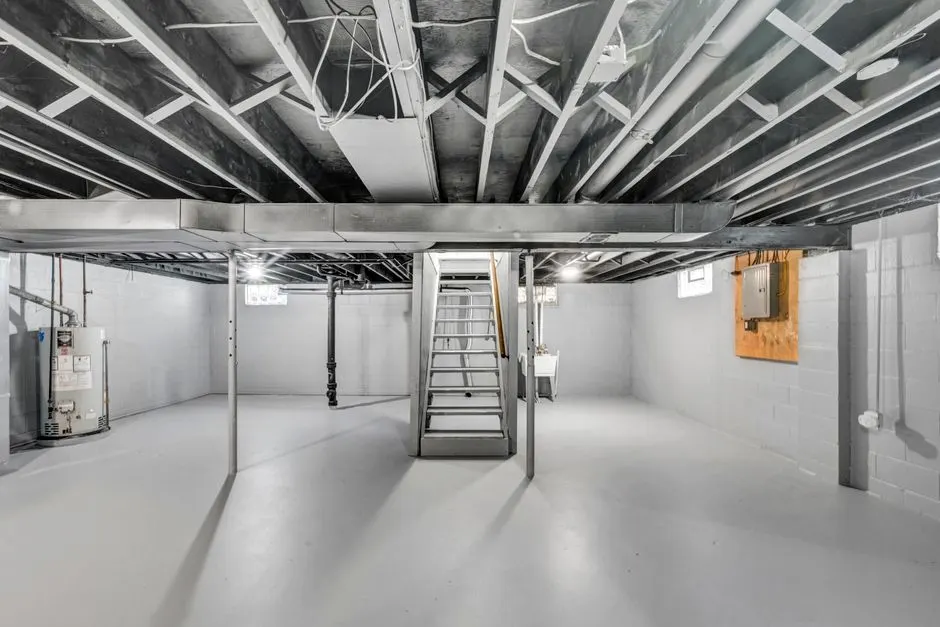
Water pooling under your tank almost always means one of three things: a failed drain valve, a leaking TPR valve or fitting, or a cracked inner tank. Two of those are cheap fixes. The third means the tank is finished and no patch will hold it. If you are searching for water heater leaking from bottom Meridian MS, you are in the right place - we run these calls every week across Lauderdale County, and the diagnosis usually takes under 30 minutes.
Below we break down what each cause looks like, what repair costs in 2026, when a leak turns into a safety issue, and how to tell the difference between a $180 fix and a full replacement.
What a bottom leak actually means
Water heater leaking from bottom Meridian MS is a plumbing failure where water escapes from the base of the tank, the drain valve, the TPR valve, or a threaded fitting rather than from the top connections or the supply lines. Where the water lands tells you a lot about where it started.
Water that drips straight down from the tank shell and pools in a ring around the base is the worst sign. Water that runs down the side and leaves a streak usually started higher up - at the TPR valve, the inlet nipple, or a dielectric union - and just followed gravity to the floor.
Before you call anyone, dry the floor completely with a towel, wait 20 minutes, and watch. A slow seep that reappears in a thin line under the drain valve is a valve problem. A steady drip from the tank seam itself is a tank problem. That single test saves you money on the diagnostic.
Why is my water heater leaking from the bottom in Meridian MS?
Meridian's water is moderately hard - it carries a fair amount of dissolved calcium and magnesium - and our tanks work harder than tanks in softer-water cities. That mineral load shortens the life of the anode rod, accelerates sediment buildup, and puts extra stress on every gasket and valve in the unit.
Here are the causes we find, roughly in order of how often we see them.
1. A failed drain valve
The plastic drain valve at the bottom of the tank is the single most common source of a bottom leak. It sits in the hottest, most sediment-heavy part of the tank, and after 6 to 10 years the washer inside dries out and cracks. You will usually see a slow drip at the spout, or moisture right at the base of the valve stem.
This is a real repair, not a death sentence. We drain the tank, swap the valve for a brass replacement, refill, and pressure-test. Most jobs take 45 to 90 minutes.
2. A leaking TPR valve or discharge pipe
The temperature and pressure relief valve is a safety device. When it opens, water runs down the discharge pipe and hits the floor near the base of the tank - which looks exactly like a bottom leak. If the valve is weeping constantly, the cause is usually excess pressure from a failed thermal expansion tank, or sediment holding the valve partially open.
We test the valve, check your expansion tank, and confirm your incoming pressure is under 80 psi. If the valve is stuck open, it gets replaced. That is a code requirement, not an upsell.
3. A loose fitting, nipple, or union
Threaded connections at the bottom of the tank - the drain, the dip tube fitting, sometimes a recirculation line - loosen over time as the tank expands and contracts with every heating cycle. A quarter-turn with the right wrench and a fresh wrap of thread sealant often ends the leak.
4. A cracked inner tank
This is the one that ends the conversation. Steel tanks are glass-lined on the inside, and once that lining cracks, water contacts bare steel and rusts it through. No epoxy, no sealant, and no clamp will hold a tank that has rusted from the inside out. If the water is coming through the shell itself, you need a new tank.
If you are weighing a repair against a full swap, our team handles water heater replacement Meridian MS with same-week scheduling and haul-away of the old unit included.
Can a water heater leaking from the bottom be repaired?
Yes - if the leak is coming from a valve, a fitting, or a connection. No - if the tank shell itself is cracked or rusted through. That is the whole answer, and it is worth repeating because homeowners often get talked into the wrong one.
Here is how we sort it on site:
- Repairable: drain valve drip, TPR valve weeping, loose nipple or union, bad gasket at the element (electric units), corroded discharge pipe.
- Not repairable: water seeping through the tank seam, rust streaks on the shell, water coming from under the base ring with no visible valve source.
One more thing worth checking: the age of the tank. Look at the manufacturer's label on the side. The first four digits of the serial number are usually the production date. If your tank was built before 2016, a repair buys you time but not much of it - most residential tanks in this climate last 8 to 12 years.
We also check the anode rod on every leak call. A $40 anode rod replacement every 4 to 5 years is the cheapest way to keep a tank off the scrap pile, and it is part of our water heater maintenance Meridian MS visits.
How much does water heater bottom leak repair cost in Meridian MS?
Typical 2026 pricing in this area runs $150 to $320 for a drain valve replacement, $180 to $350 for a TPR valve swap with an expansion tank check, and $95 to $180 for a fitting reseal. A full tank replacement lands between $1,100 and $2,400 depending on tank size, fuel type, and whether we need to bring the venting or drain pan up to current code.
Those numbers assume a standard 40- or 50-gallon residential tank in a garage, closet, or utility room. Add $150 to $400 if the tank is in an attic, if the shutoff valve is seized, or if the old unit has to come out through a tight space.
What drives the price up fastest is waiting. A slow drip that runs for a month warps flooring, rots the bottom plate of the wall behind the tank, and grows mold in the drywall. We have seen a $200 valve job turn into a $3,000 floor repair because the homeowner put it off until the weekend.
We quote the repair before we start, and the number we say is the number you pay.
Is a water heater leaking from the bottom dangerous?
The water itself is not dangerous, but the conditions around it can be. A gas water heater sitting in standing water is the real concern - if the burner compartment floods, the pilot can go out, gas can accumulate, and the unit can short-cycle or fail to ignite safely. On an electric tank, water reaching the lower element or the junction box creates a shock risk.
Beyond that, a leaking tank is a structural problem. Water wicks into drywall, subfloor, and baseboards. In a Meridian summer, that moisture plus 90-degree heat is a mold incubator. We have pulled tanks out of closets where the floor decking had gone soft enough that the new tank needed a reinforced pad.
If you smell gas, hear the burner running with no hot water, or see water within an inch of the burner door, shut off the gas valve and the water supply, and call us. That is a same-day call, not a next-week call.
For active leaks that are spreading, our emergency water heater repair Meridian MS line runs 24 hours, including weekends and holidays.
Common mistakes we see on leak calls
Most of the damage we repair was caused by something the homeowner did in the first hour after noticing the leak. Here is what to avoid.
- Wrapping the tank in towels and hoping. A towel hides the leak source and keeps the bottom of the tank wet, which speeds up rust on the base ring.
- Sealing the tank seam with epoxy or JB Weld. It never holds. Tank steel flexes with every heat cycle and pops the patch off within days.
- Turning the temperature up to compensate. If the tank is leaking, hotter water means more expansion stress on the failed part. Turn it down or off.
- Ignoring the TPR discharge pipe. If water is running out of that pipe, the valve is doing its job - the problem is pressure, and it will not fix itself.
- Replacing the tank without checking the anode rod and expansion tank. Skip those and the new unit inherits the same conditions that killed the old one.
One more: do not drain the tank and leave it empty for weeks. An empty steel tank rusts faster than a full one, and the sediment left behind hardens into a crust that is miserable to remove.
When to call a professional
Call us when the water is coming from the tank shell, when you cannot see the source, when the tank is over 8 years old, or when the leak is anywhere near a gas burner or electrical connection. Those are the calls where a homeowner diagnosis costs more than it saves.
We handle water heater leak repair Meridian MS with a full diagnostic - pressure check, anode rod inspection, TPR test, and a look at the pan and drain - so you know whether you are looking at a $200 valve or a replacement before anyone touches a wrench.
If you are in one of the older neighborhoods where galvanized supply lines and 1990s tanks are still common, expect more sediment and more valve failures. We see a lot of that in Water Heater Repair & Replacement in Downtown Meridian, where a lot of the housing stock predates modern plumbing codes.
And if you just want a straight answer on whether the tank is worth saving, we will give you one. Sometimes that answer is "replace it," and we will tell you that even when a repair would be more profitable for us.
Frequently Asked Questions
Why is my water heater leaking from the bottom in Meridian MS?
The most common causes are a failed drain valve, a weeping TPR valve, a loose threaded fitting, or a cracked inner tank. Meridian's moderately hard water accelerates sediment buildup and anode rod wear, which shortens tank life to roughly 8 to 12 years.
Can a water heater leaking from the bottom be repaired in Meridian Mississippi?
Yes, if the leak is at a valve, fitting, or gasket - those repairs run 45 to 90 minutes and cost $150 to $350. If water is seeping through the tank shell itself, the tank is finished and replacement is the only fix.
How much does it cost to fix a water heater leaking from the bottom in Meridian MS?
In 2026, drain valve replacement runs $150 to $320, TPR valve replacement $180 to $350, and a fitting reseal $95 to $180. Full tank replacement runs $1,100 to $2,400 depending on size, fuel type, and code upgrades.
Is a water heater leaking from the bottom dangerous in Meridian Mississippi?
Standing water around a gas burner can put out the pilot and allow gas to accumulate, and water near an electric element creates a shock risk. Shut off the gas and water supply if the leak reaches the burner compartment, and call for same-day service.
Should I replace my water heater if it leaks from the bottom in Meridian MS?
Replace it if the tank shell is cracked, if rust streaks run down the side, or if the unit is over 10 years old. If the leak is at the drain valve or TPR valve and the tank is under 8 years old, repair is the better call.
Get help with Water Heater Repair & Replacement in Meridian
We diagnose bottom leaks the same day you call, tell you straight whether it is a valve or a tank, and get hot water back on before we leave. Whether you need a quick repair or a full replacement, our team covers every part of the city.
Call +16015310808 and we will get a technician to your door.