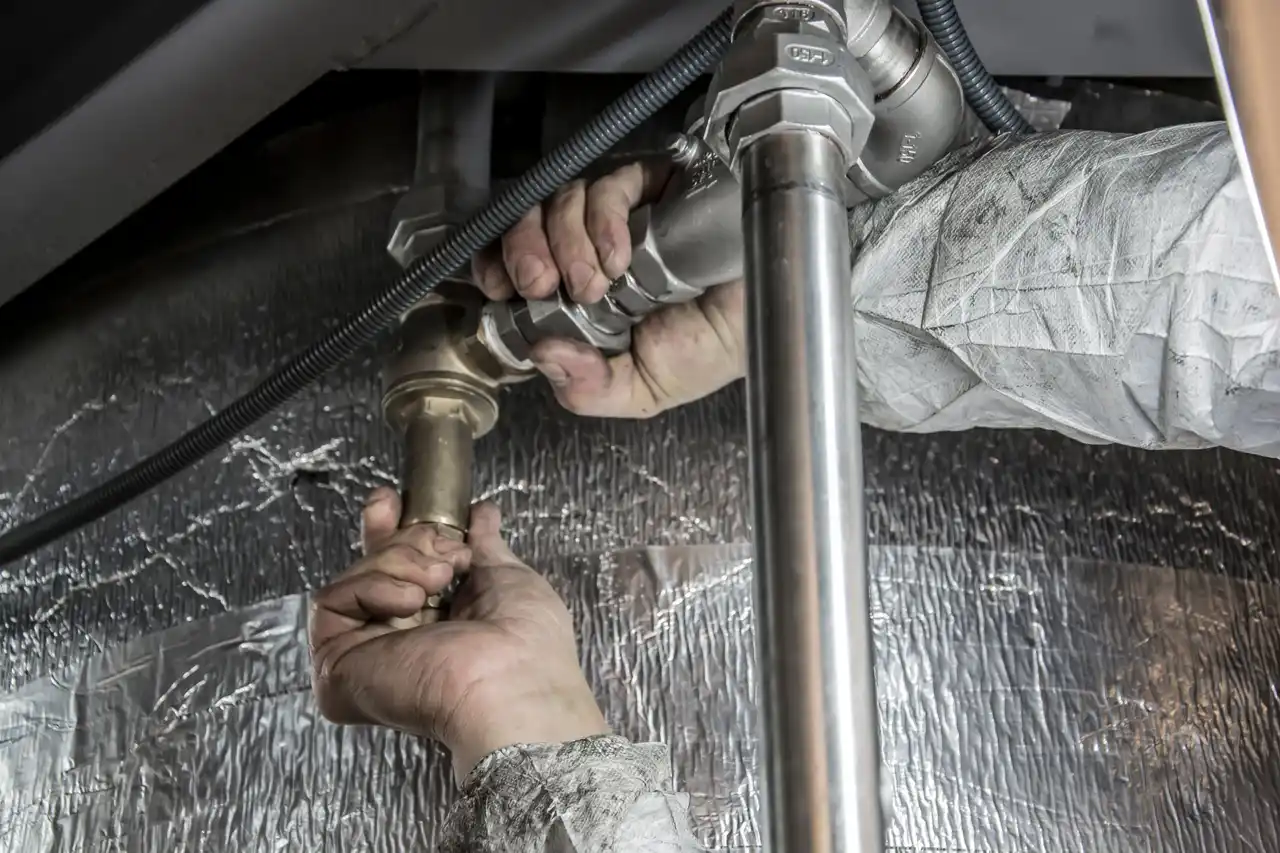
Pressure reading
Before and after gauge values
When your closed plumbing system needs a thermal expansion tank, water heater expansion tank installation Meridian MS from our team keeps pressure where it belongs. We size the tank to your heater, mount it correctly, and test the whole system before we leave. Whether you need expansion tank repair Meridian MS or a brand-new install, we work across Lauderdale County with same-day appointments and upfront pricing.
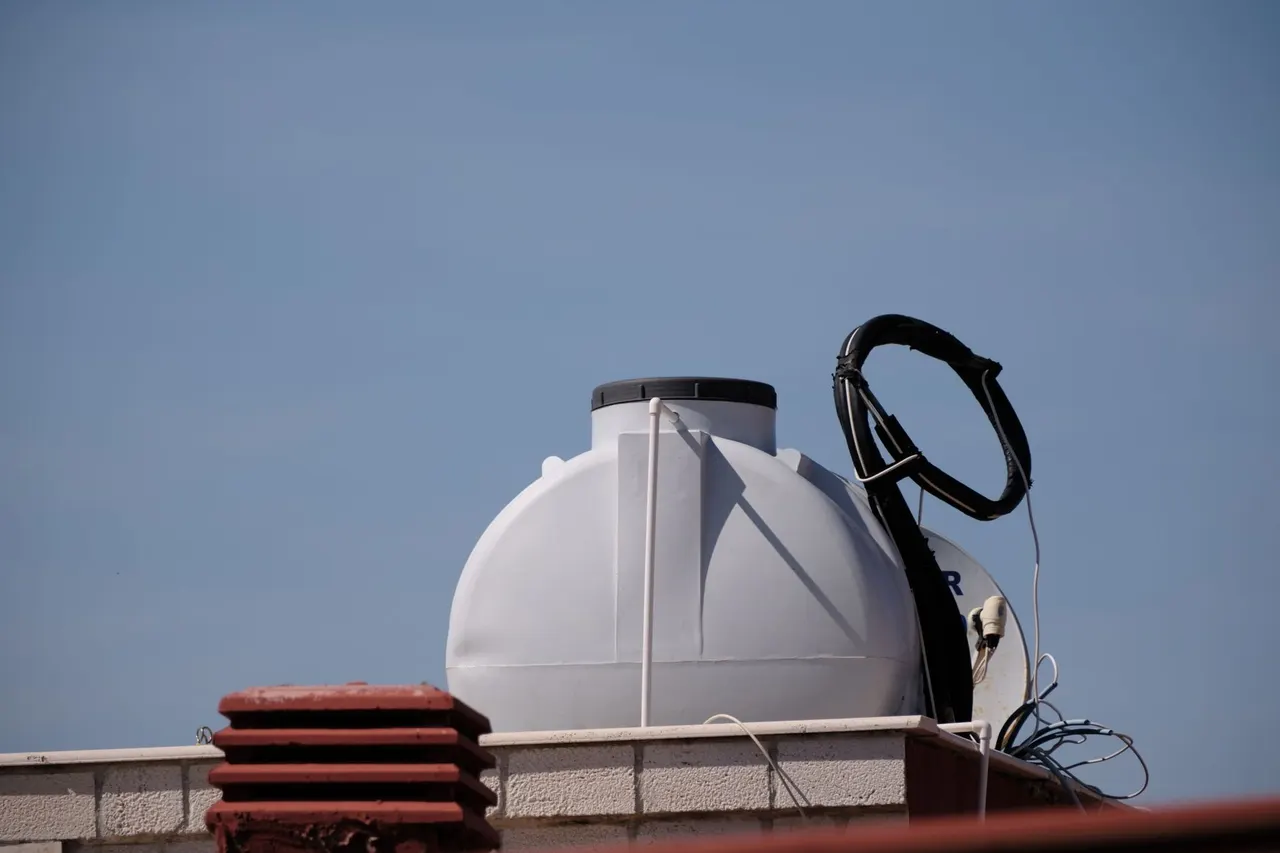
Every expansion tank job starts with a pressure check and ends with a tested system. Here is what is covered in a standard installation or replacement, and what we quote separately if we find it.
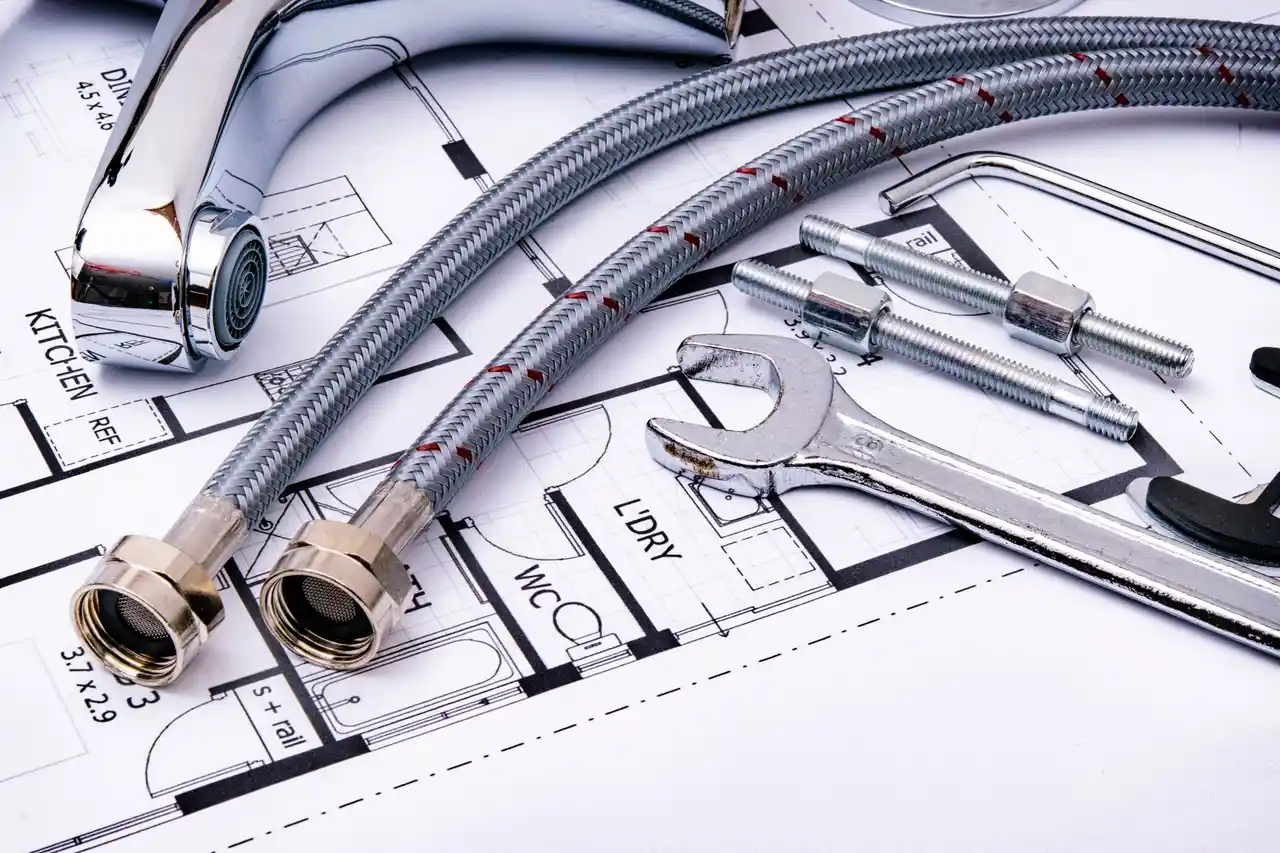

Homes with a backflow preventer or pressure-reducing valve need thermal expansion control. We size the tank to your heater and test it through a full heating cycle.
Restaurants, salons, and rental properties run large heaters that need correctly sized expansion tanks. We work around your operating hours and document every install.
Water heater expansion tank installation Meridian MS is the plumbing service that adds a sealed, air-charged tank to your water heater's cold-water line so thermal expansion has somewhere to go. When water heats, it expands. In a closed system with a backflow preventer or pressure-reducing valve, that expanded water has nowhere to escape, so pressure climbs. The expansion tank absorbs it. We mount the tank, set the air charge to match your home's static water pressure, and connect it with a proper fitting so the diaphragm does the work instead of your TPR valve.
Meridian's older housing stock and hard water make expansion tank problems more common than most homeowners expect. If your water heater was replaced in the last few years and nobody added a tank, your system may already be running over 100 PSI. We see failed diaphragms, waterlogged tanks, and leaking fittings all over Lauderdale County. Our water heater expansion tank service Meridian Mississippi covers diagnosis, replacement, and proper sizing so you are not paying for a repair twice.
An expansion tank gives heated water somewhere to go so pressure stays where it belongs.
Every job follows the same sequence so nothing gets skipped. You get a clear scope, a clean install, and a system that is tested before we pack up.
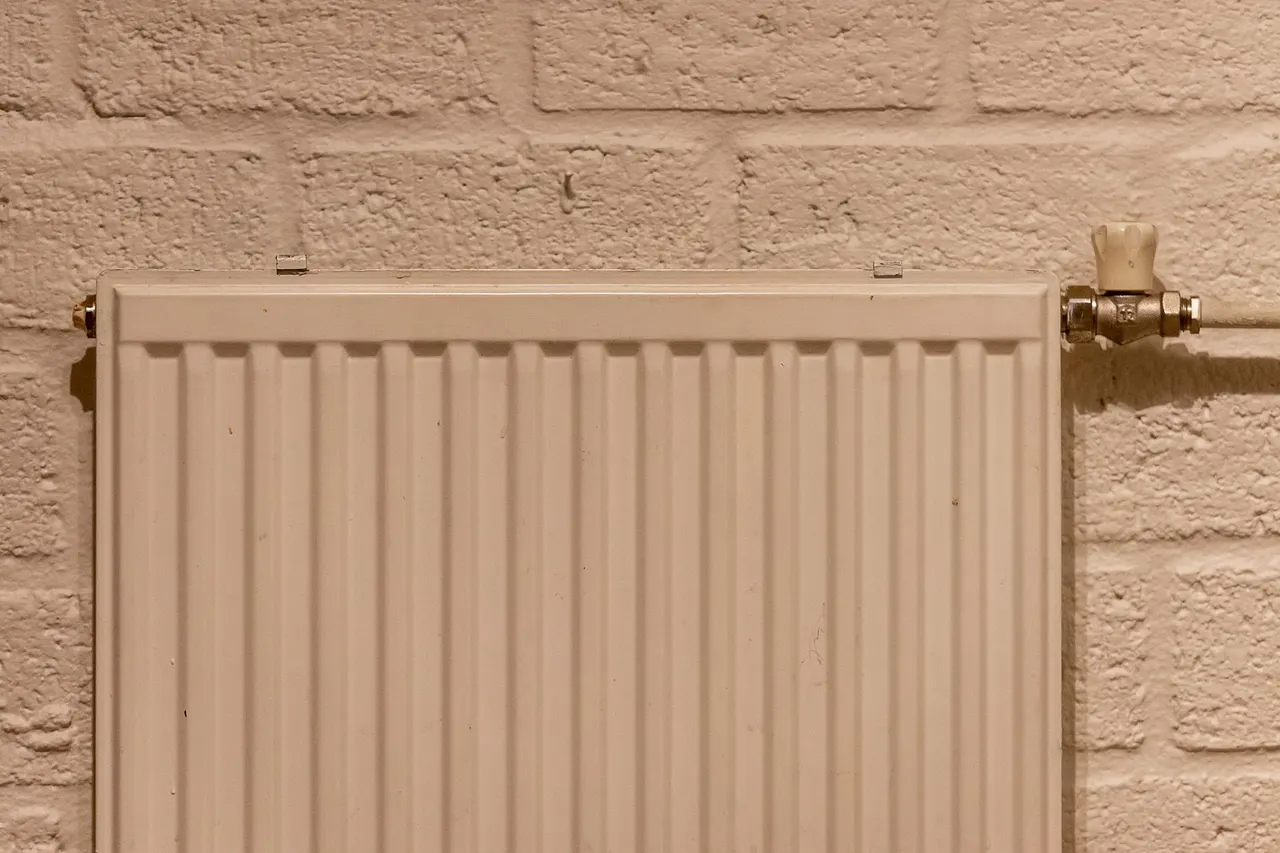
We start by measuring your home's static water pressure with a pressure gauge at an outdoor hose bib. If it reads above 80 PSI, we note it and set the expansion tank air charge accordingly. This step takes about 10 minutes and tells us exactly what the tank needs to do.
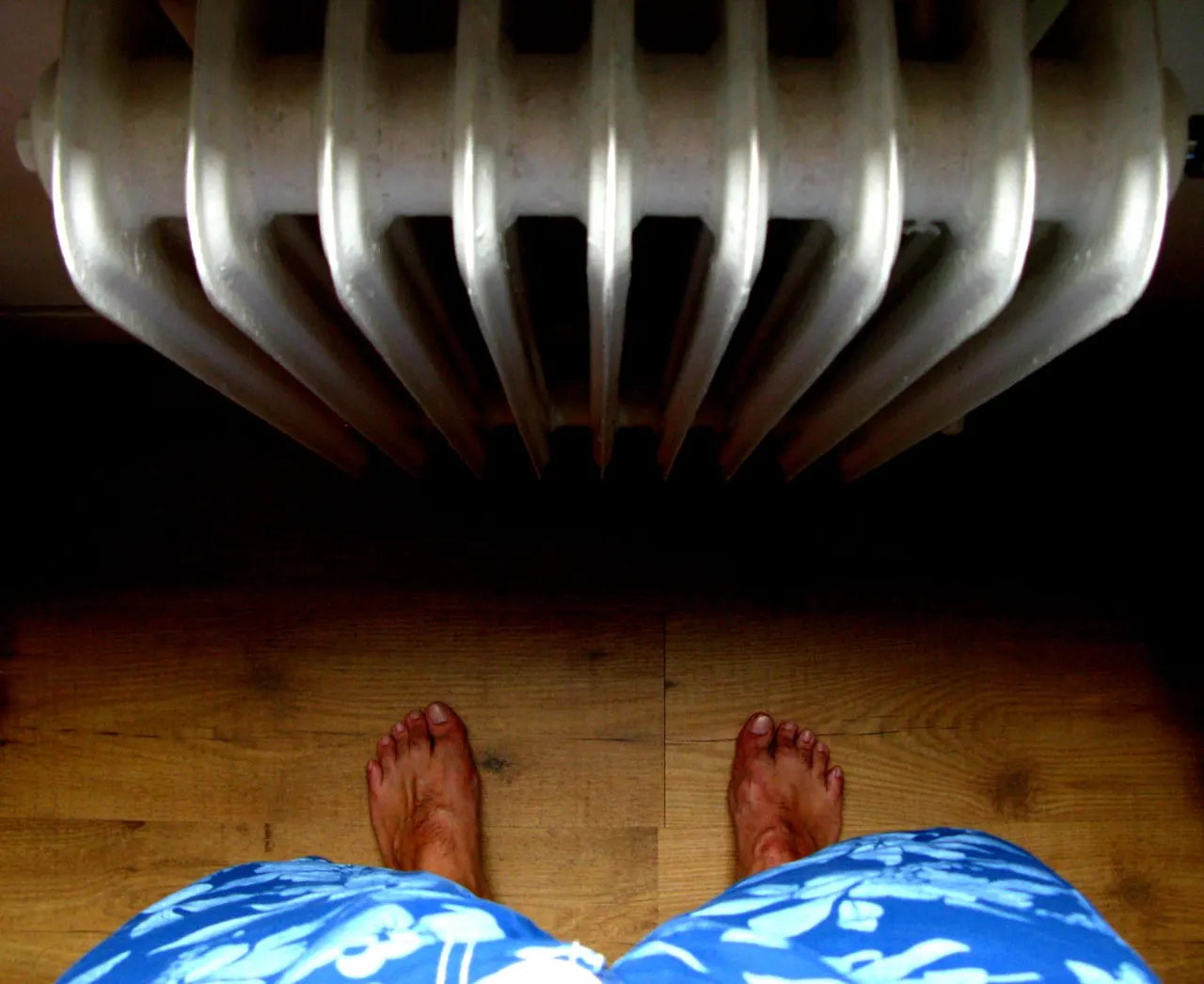
We size the expansion tank to your water heater's gallon capacity and your incoming pressure. A 40-gallon heater usually takes a 2-gallon tank; an 80-gallon commercial unit may need a 4.5-gallon or larger tank. We pick a mounting spot on the cold-water line close to the heater so the tank is easy to service later.
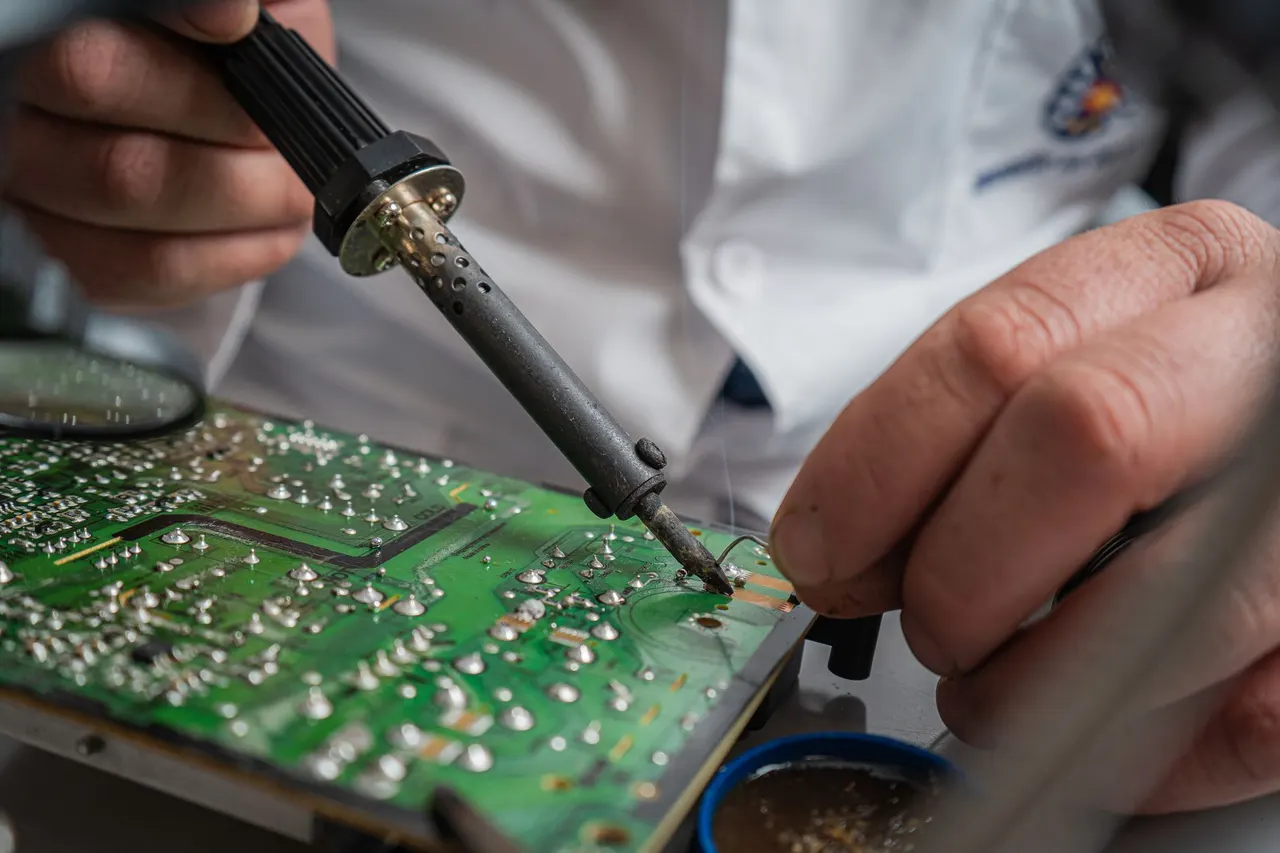
We shut off the water, drain a small amount from the line, and cut in a tee using a tube cutter. The tank connects with a flex connector or a short nipple and a dielectric union where needed. We use a pipe wrench and soldering torch for copper, and we pressure-test every joint before moving on.
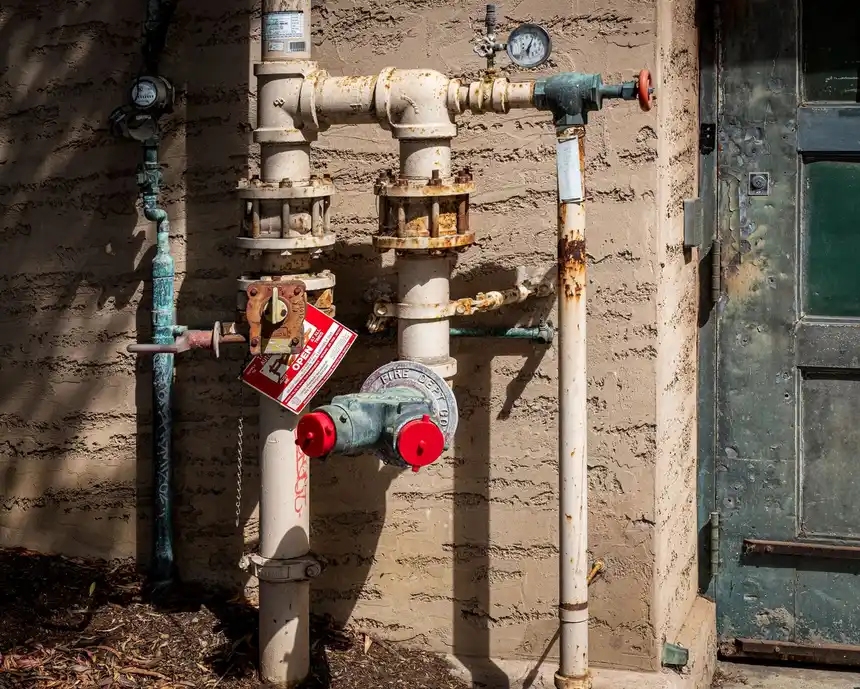
We set the air charge with a hand pump to match your static pressure, then open the water supply and bring the heater up to temperature. We watch the gauge through a full heating cycle to confirm the tank is absorbing expansion. If the TPR valve still drips, we diagnose further before calling the job done.
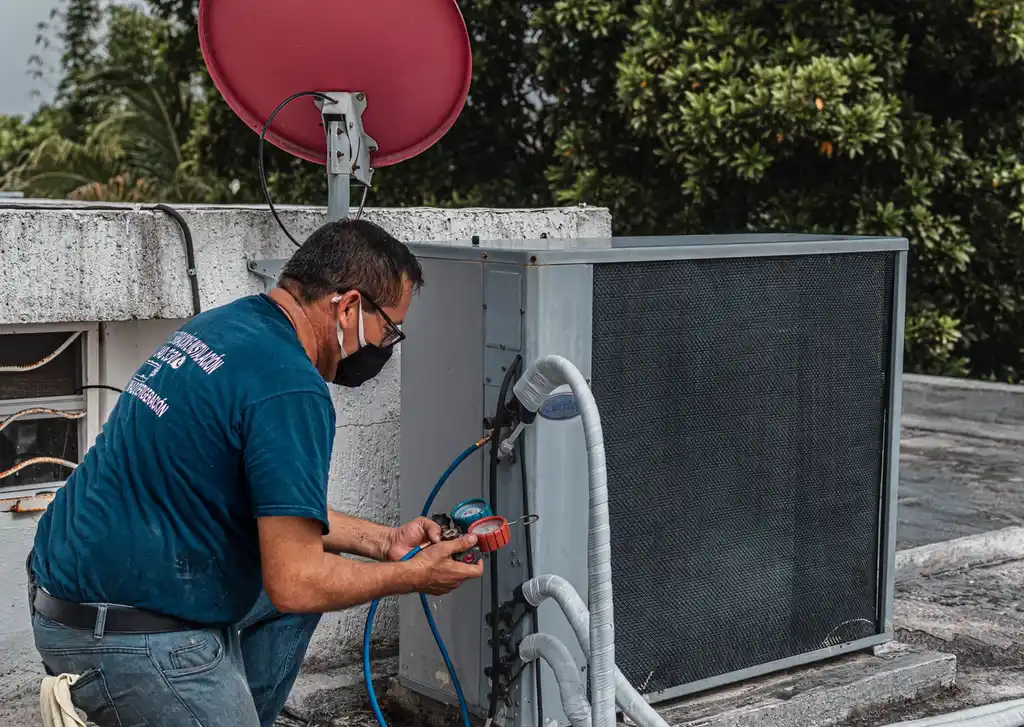
We show you the installed tank, explain what to watch for, and leave the air charge value written on the tank label. If a permit is required, we handle the paperwork. Most residential installs take two to three hours from arrival to cleanup.

Measures static water pressure at an outdoor hose bib before sizing the tank. This reading determines the correct air charge and tells us whether a pressure-reducing valve is also needed.
Used to cut and sweat copper lines when we tee into the cold-water supply. Clean cuts and proper solder joints prevent leaks at the connection point.
Tightens the tank connection and any threaded fittings. We use it with a backup wrench to avoid stressing the tee or the heater inlet.
Sets the expansion tank's air charge to match your home's static pressure. A tank charged to the wrong pressure will not absorb expansion properly.
Checks electrical connections and heating element continuity on electric water heaters when pressure issues have caused secondary damage.
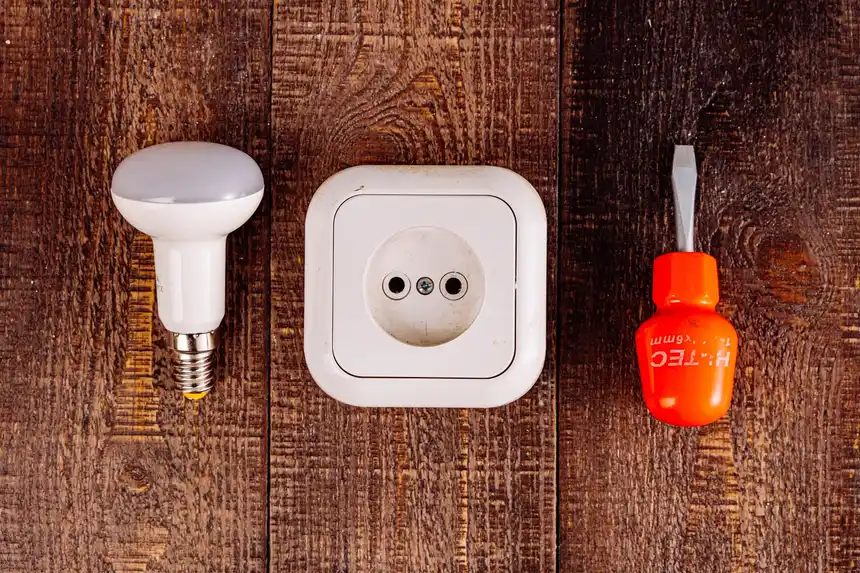
Confirms the temperature and pressure relief valve opens and reseats correctly. A failed TPR valve is a safety issue, not just a nuisance.
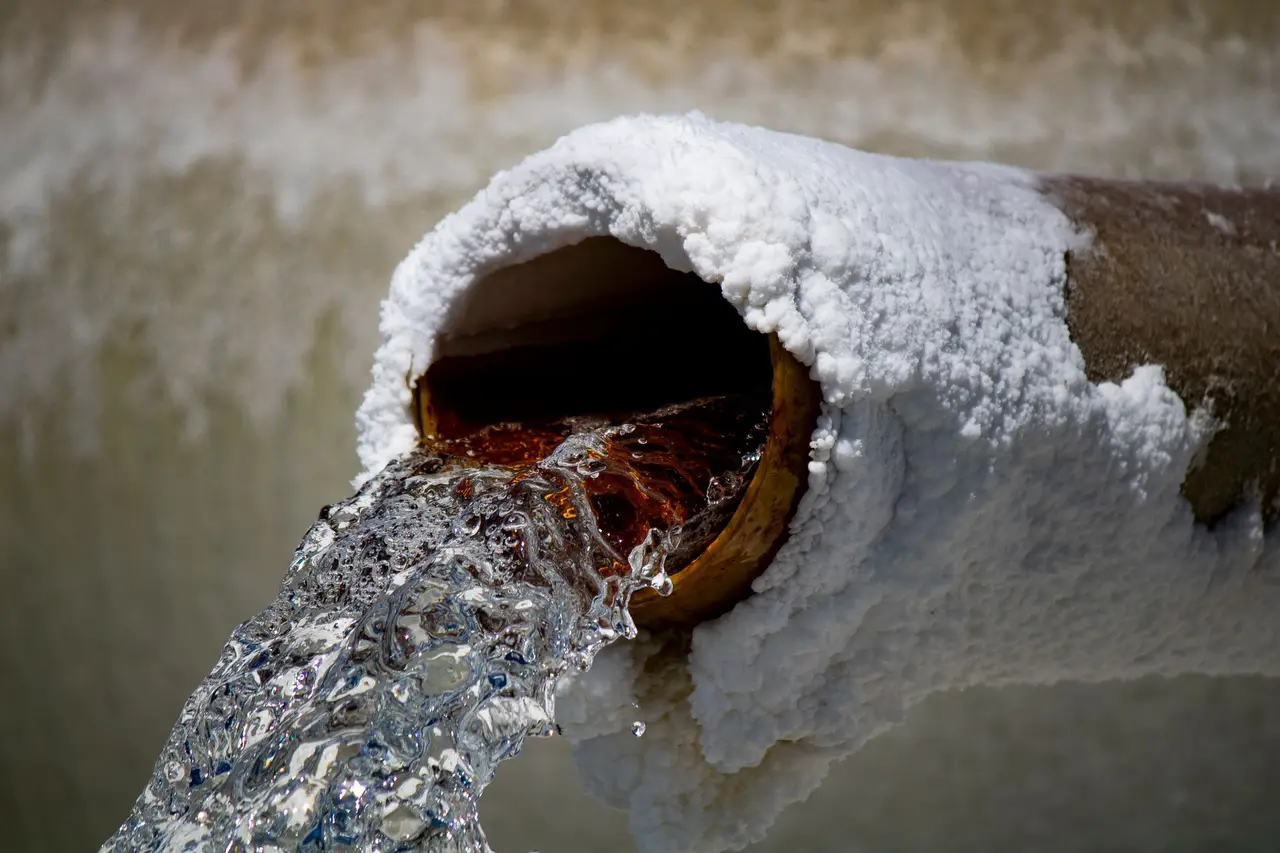
We size expansion tanks according to Uniform Plumbing Code requirements, matching tank volume to heater capacity and system pressure. This is the standard Meridian-area inspectors reference when they check a closed system.
For installations that fall under International Plumbing Code, we follow the same thermal expansion control requirements. We document the install so you have proof of compliance if it is ever questioned.
We come out, check whether your system is closed, and install a correctly sized tank on the cold-water line. Most jobs take two to three hours and include a full pressure test. Your new heater is protected from day one, and your TPR valve stays dry through every heating cycle.
We measure static pressure, confirm the expansion tank is missing or failed, and install a replacement sized to your system. We also verify the PRV is working correctly. Pressure stays under the relief threshold, the dripping stops, and your plumbing fixtures see less stress.
We install a code-compliant tank, document the work, and provide the information your buyer's inspector needs. We can usually schedule this within a day or two. The inspection item is cleared, and you have paperwork showing the system meets code.
We check the air charge with a gauge, tap the tank to listen for water, and test the system through a heating cycle. If the diaphragm has failed, we replace the tank. You know exactly where your tank stands, and you avoid a surprise failure that could flood the drain pan.
Meridian's housing stock ranges from older homes in Downtown and Old Town to newer construction in Northeast Meridian and Bridgetower. Older homes often have copper supply lines and no backflow preventer, while newer builds almost always have a closed system that requires thermal expansion control. That difference changes how we approach each install. We also deal with hard water throughout Lauderdale County, which shortens the life of expansion tank diaphragms and makes annual air charge checks worth doing. If you are searching for expansion tank repair near me Meridian, we likely already work in your neighborhood. Most residential installs take two to three hours, and we can often schedule same-day. We also handle water heater pressure relief expansion tank Meridian MS work when the TPR valve and tank need attention together.
A homeowner in Northeast Meridian had a TPR valve that dripped constantly, leaving mineral stains down the side of the heater and a wet drain pan. The system pressure measured 105 PSI, and there was no expansion tank on the closed system.
We installed a 2-gallon expansion tank charged to 60 PSI, tested through a full heating cycle, and confirmed the TPR valve stayed dry. System pressure now peaks at 72 PSI instead of 105. The drain pan is dry.
Check the tank air charge once a year with a tire gauge. If the tank feels heavy when you tap it, call us for a replacement.
A Meridian Village homeowner noticed the expansion tank felt heavy and the water heater was making popping sounds. The tank was waterlogged, meaning the diaphragm had failed and the air side had filled with water. Pressure was spiking on every heating cycle.
We replaced the failed tank with a correctly sized 2-gallon unit, flushed sediment from the heater, and checked the anode rod. Pressure now stays steady through the full cycle, and the popping has stopped.
Flush the heater annually to control sediment, and test the TPR valve every six months by lifting the lever briefly.
A Downtown Meridian property manager had a rental unit with a pressure-reducing valve but no expansion tank. The system was out of compliance, and the TPR valve had started weeping. An inspection was scheduled in two weeks.
We installed a code-compliant expansion tank, documented the work, and provided the paperwork for the inspection. The TPR valve stopped weeping, and the unit passed inspection without any follow-up items.
Keep the installation documentation with your property records. Schedule an annual pressure check to confirm the tank is still holding its charge.
Most expansion tank issues show up as pressure symptoms elsewhere in the system. Here are the common ones we see and how we handle them.

We measure system pressure, confirm the expansion tank has failed or is missing, and install a correctly sized replacement. Once pressure is controlled, the TPR valve stops dripping and returns to standby duty. Water runs down the tank and into the drain pan, wasting water and leaving mineral stains. If ignored, the valve can fail completely and stop protecting the system.

We replace the failed tank and set the new air charge to match your home's static pressure. We also check the TPR valve and anode rod while we are there, since pressure issues often damage both. A waterlogged tank cannot absorb expansion, so pressure spikes every heating cycle. That stresses the heater lining, fittings, and supply lines throughout the home.
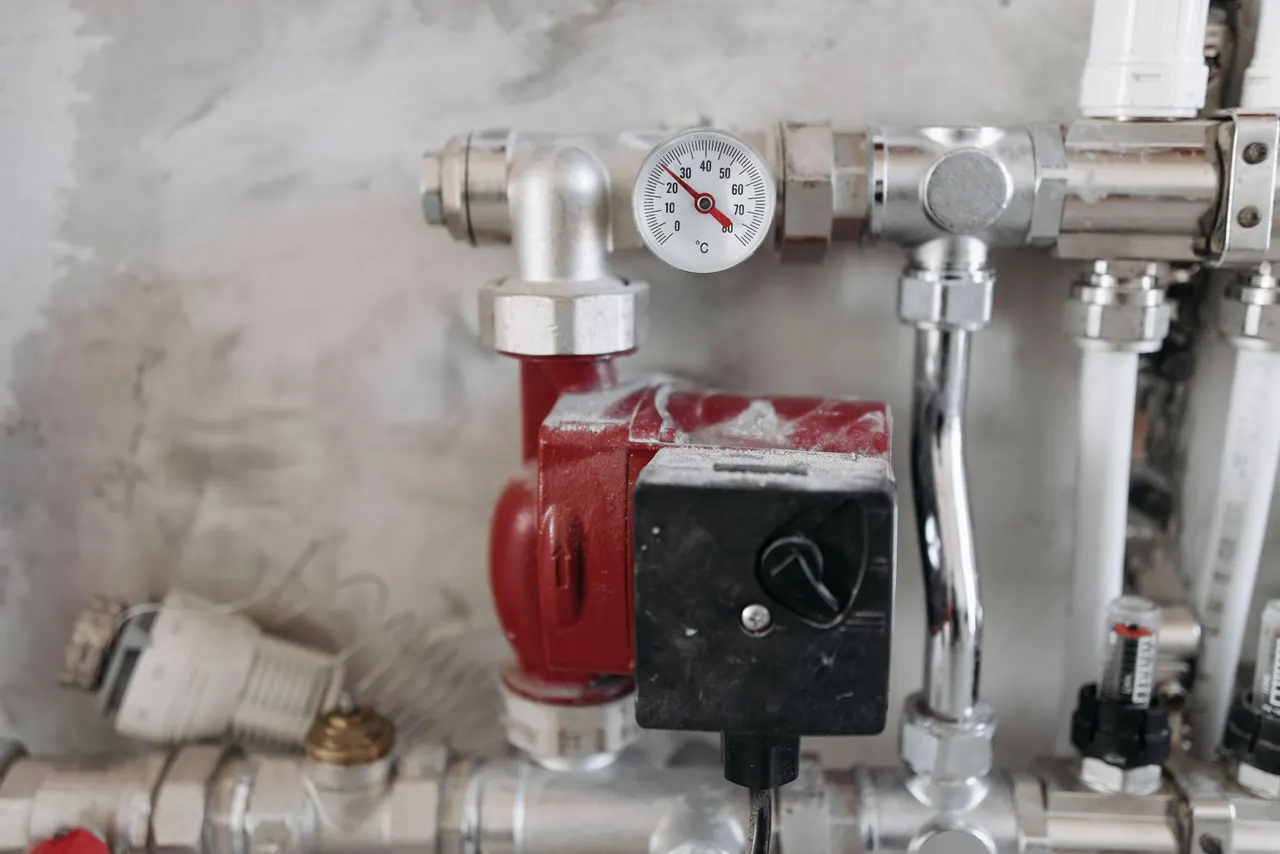
We install a code-compliant expansion tank on the cold-water line, sized to your heater and pressure. The install meets Uniform Plumbing Code and International Plumbing Code requirements and is documented for inspection. Homes with a backflow preventer or PRV need thermal expansion control. Without it, pressure climbs every time the heater runs, and the TPR valve becomes the only relief point.
We cut out the leaking connection, replace the fitting, and reinstall the tank with a proper dielectric union. Every joint gets pressure-tested through a full heating cycle before we leave. A slow leak at the tee or union keeps the tank base wet and can corrode the fitting over time. Left alone, it can drip into the drain pan and trigger a false alarm.
A dripping TPR valve is often the first sign of excess thermal expansion. Once we install the right tank, pressure stays under the relief threshold and the valve stops weeping. That means no more mineral stains down the side of the tank and no puddle in your drain pan.
High pressure stresses the tank lining, the dip tube, and every fitting on the heater. By controlling expansion, you reduce that stress. Most customers see their water heater reach its full service life instead of failing early from pressure-related damage.
Excess pressure does not just affect the water heater. It pushes back through your supply lines and can shorten the life of faucet cartridges, toilet fill valves, and washing machine hoses. An expansion tank absorbs that shock before it reaches the rest of the plumbing.
If your home has a backflow preventer or PRV, the Uniform Plumbing Code and International Plumbing Code require thermal expansion control. We install to code, document the work, and make sure your system passes inspection the first time.
Typical 2026 pricing for expansion tank installation in Meridian runs $180 to $450 for a standard residential job. That range covers the tank, fittings, labor, and testing. Commercial installs, hard-to-reach locations, and jobs that require a new tee or line modification can run higher. We quote the full job before we start, so you know the number. If you need expansion tank repair Meridian MS instead of a full replacement, the cost is usually lower because we are reusing the existing connection point.
What your estimate is based on
$180 - $450 for standard residential installation A correctly sized expansion tank protects your water heater, your fixtures, and your supply lines from pressure damage. It is one of the least expensive components in the system and one of the most important for long-term reliability.
Clear records you can keep and share.
Before and after gauge values
Written on the tank for future checks
For permits and property records
An expansion tank is not a spare water tank. It is a sealed air chamber that absorbs the volume increase when water heats. Without one, that pressure goes to your TPR valve.
A closed system has a backflow preventer or pressure-reducing valve. Those systems need an expansion tank by code. Open systems without those devices may not require one.
The expansion tank protects the water heater, not the other way around. A failed tank does not mean the heater is bad, but ignoring it will shorten the heater's life.
The tank's air charge must match your home's static water pressure. A tank charged to the wrong pressure will not absorb expansion, even if it is brand new.
Not listed? Call and we will tell you straight away. +16015310808
You need one if your home has a backflow preventer, a pressure-reducing valve, or a check valve on the supply line. Those create a closed system where thermal expansion has nowhere to go. If your TPR valve drips or your pressure gauge reads above 80 PSI after the heater runs, you need a tank. We can check your setup in about 15 minutes.
Most residential expansion tank installations in Meridian run $180 to $450 in 2026, depending on tank size, line material, and whether we need to add a tee or relocate the connection. Commercial or hard-to-reach installs can run higher. We quote the full job before we start, and the price includes the tank, fittings, and testing.
A leaking expansion tank usually means the diaphragm has failed or the tank is waterlogged. Once water fills the air side, the tank cannot absorb expansion, and pressure pushes water out through the seams or the fitting. Hard water in Meridian speeds this up. Replacement is almost always the right call rather than repair.
Most expansion tanks last five to ten years in Meridian. Hard water and high incoming pressure shorten that. We recommend checking the air charge once a year with a tire gauge. If the tank feels heavy or full of water when you tap it, the diaphragm has failed and it is time for expansion tank replacement Meridian MS.
If your TPR valve is dripping or your pressure gauge is running high, call us. We install and repair expansion tanks across Meridian with upfront pricing and same-day availability. One call gets your system back to code.
Reach us at +16015310808 and you will talk to someone who knows water heaters, not a script. We book same-day windows for most of Meridian and keep the line open for emergency leaks. If you are outside the usual ZIP codes, call anyway and we will tell you straight whether we can get to you.