Written notes
Anode rod condition and parts replaced
If your water heater rumbles like a kettle or your hot water runs out faster than it used to, sediment has settled on the tank floor. Our water heater sediment flush Meridian MS service pumps out that grit, descales the heat exchanger, and gets your unit running quiet again. We handle gas, electric, and tankless systems across Lauderdale County, and we tell you straight whether a flush will fix it or whether you are better off replacing the tank.
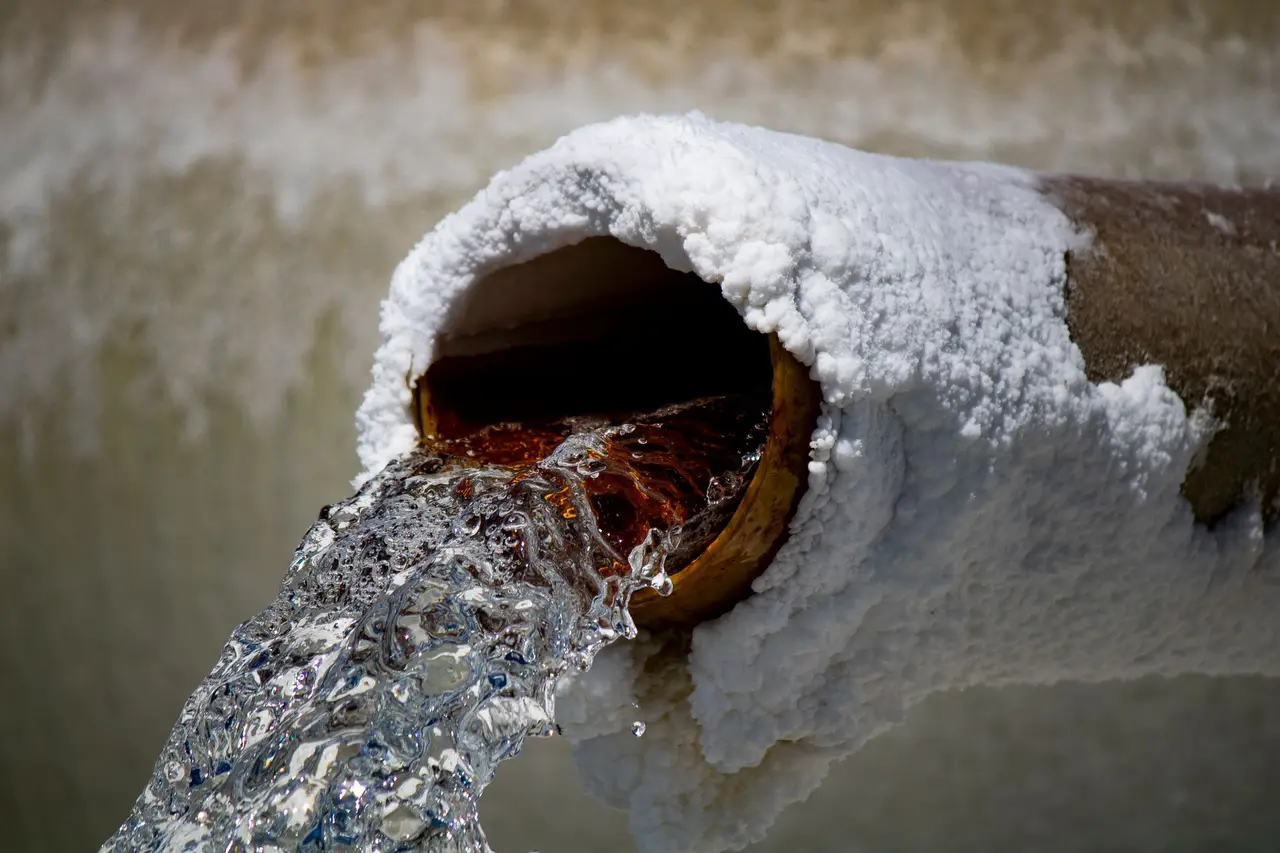
Every flush covers the full drain, descale, and refill of your unit, plus a safety check on the parts that fail most often. We tell you upfront if we find something that needs replacing, and we only do that work with your okay.
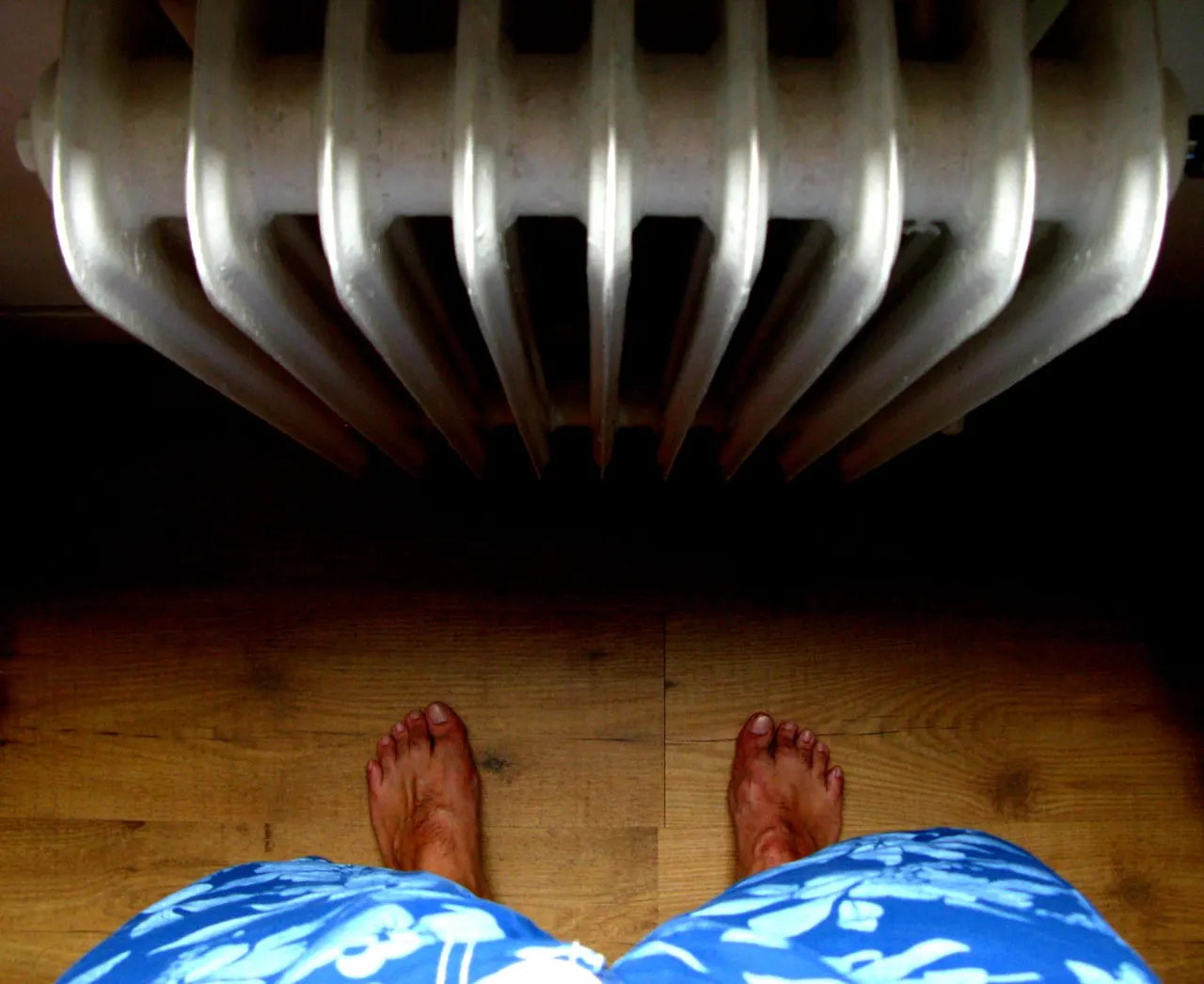
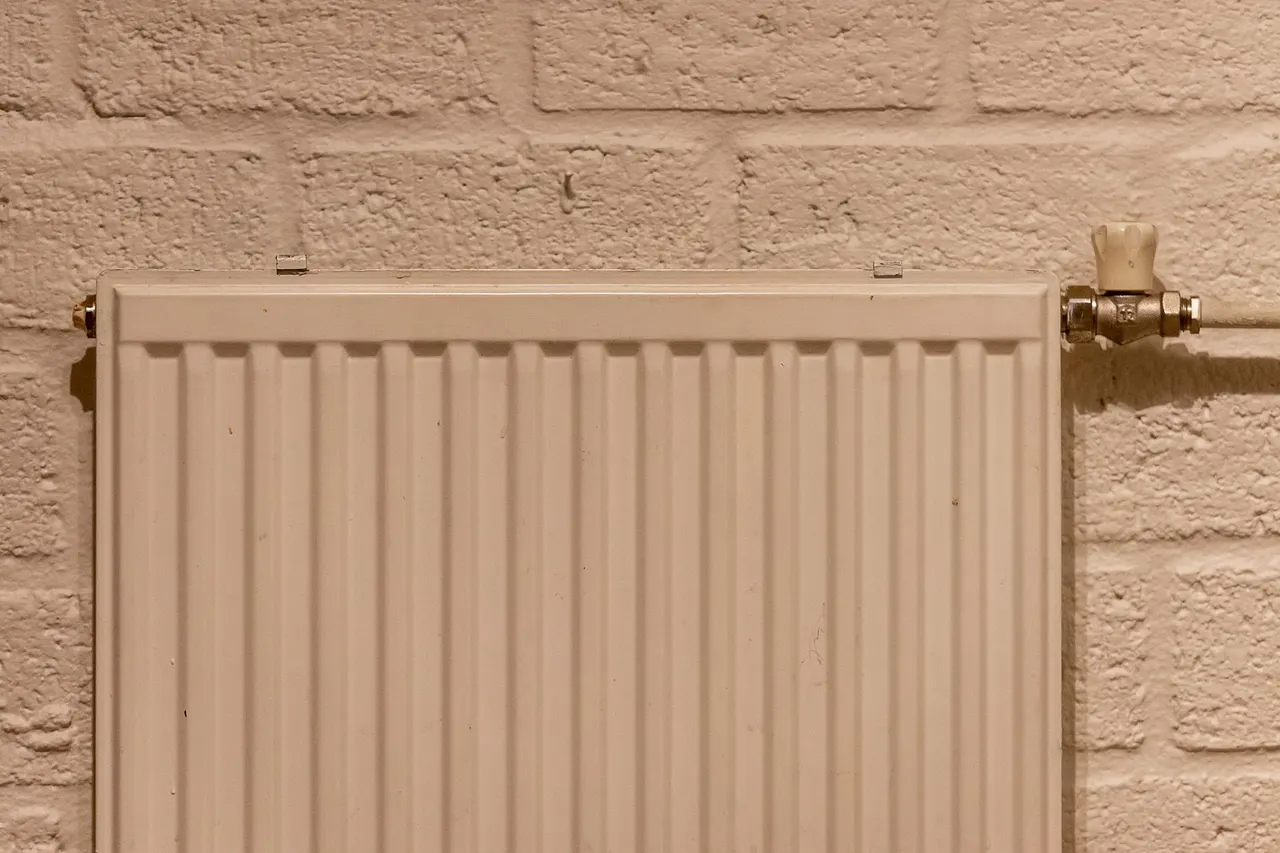
We flush tanks and descale tankless units in houses, duplexes, and rental properties across Meridian. If your hot water runs short or the tank rumbles, we can usually get to you the same day.
Restaurants, salons, and apartment buildings run big tanks and boilers that collect scale fast. We schedule flushes around your business hours so hot water keeps flowing.
A water heater sediment flush Meridian MS is the process of draining a tank, breaking up the mineral scale that has baked onto the bottom and the heating elements, and rinsing the interior until the water runs clear. Meridian's water carries dissolved calcium and magnesium. Heat drives those minerals out of solution, and they settle as a crusty layer under the burner or around the lower element. That layer insulates the water from the flame or coil, so the unit runs longer, pops louder, and burns more gas or pulls more amps to hit the same temperature.
Most Meridian homes we open up have three to five inches of sediment in a 40- or 50-gallon tank. In tankless units, the same minerals clog the heat exchanger and narrow the flow path until the unit throws a scale code. We see it in older homes near Downtown Meridian with original plumbing, and in newer builds out toward Century Farm where hard water still takes its toll. A sediment flush service Meridian Mississippi homeowners call us for usually takes 60 to 90 minutes on a standard tank, and we can often get to you the same day you call.
Drain the tank, break up the scale, rinse it clean, and put it back together.
We keep it simple: shut the unit down, drain it, break up the scale, rinse it clean, and put it back together with new parts where they are needed. Here is what you can expect from the moment we pull up.
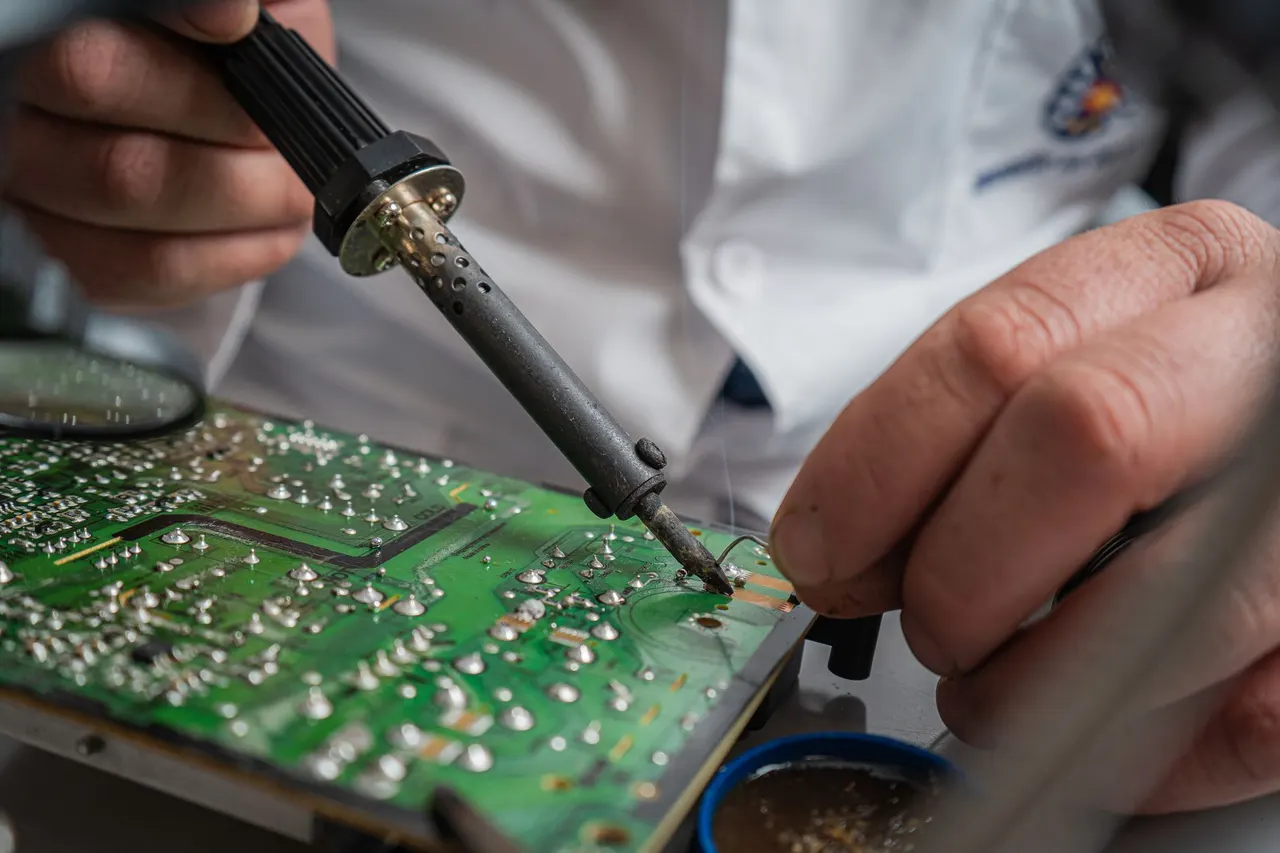
We shut off the gas or the breaker, close the cold inlet, and hook a hose to the drain valve. Before we drain anything, we test the T&P valve with a tester and check the flue for backdrafting. On a tankless unit, we isolate the water lines and set up a descaling pump with a bucket of food-grade descaler. Ten minutes, no mess.
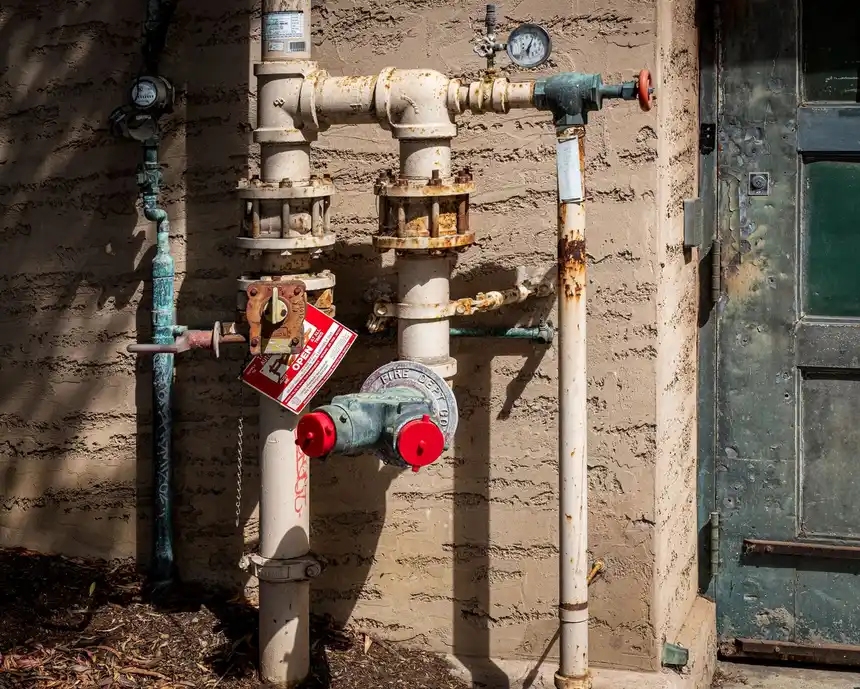
We open the drain valve and let the tank empty. If the valve clogs with grit, we clear it or swap it. Once the water runs clear, we crack the cold inlet in short bursts to stir up the remaining sediment and push it out. On a 50-gallon tank with heavy buildup, this stage takes 20 to 30 minutes.
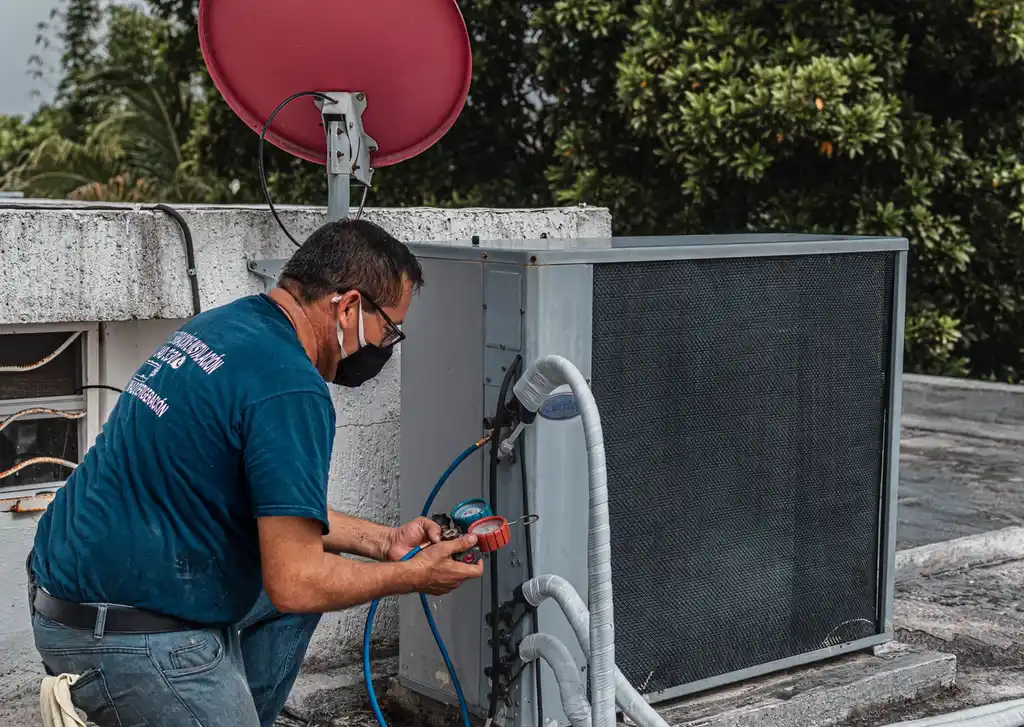
For electric units, we pull the lower heating element with an element wrench and soak it in descaler until the crust falls off. For gas, we scrape the tank floor through the element port and vacuum out the debris. Tankless units get a 30- to 45-minute recirculating descale through the heat exchanger with a descaling pump.

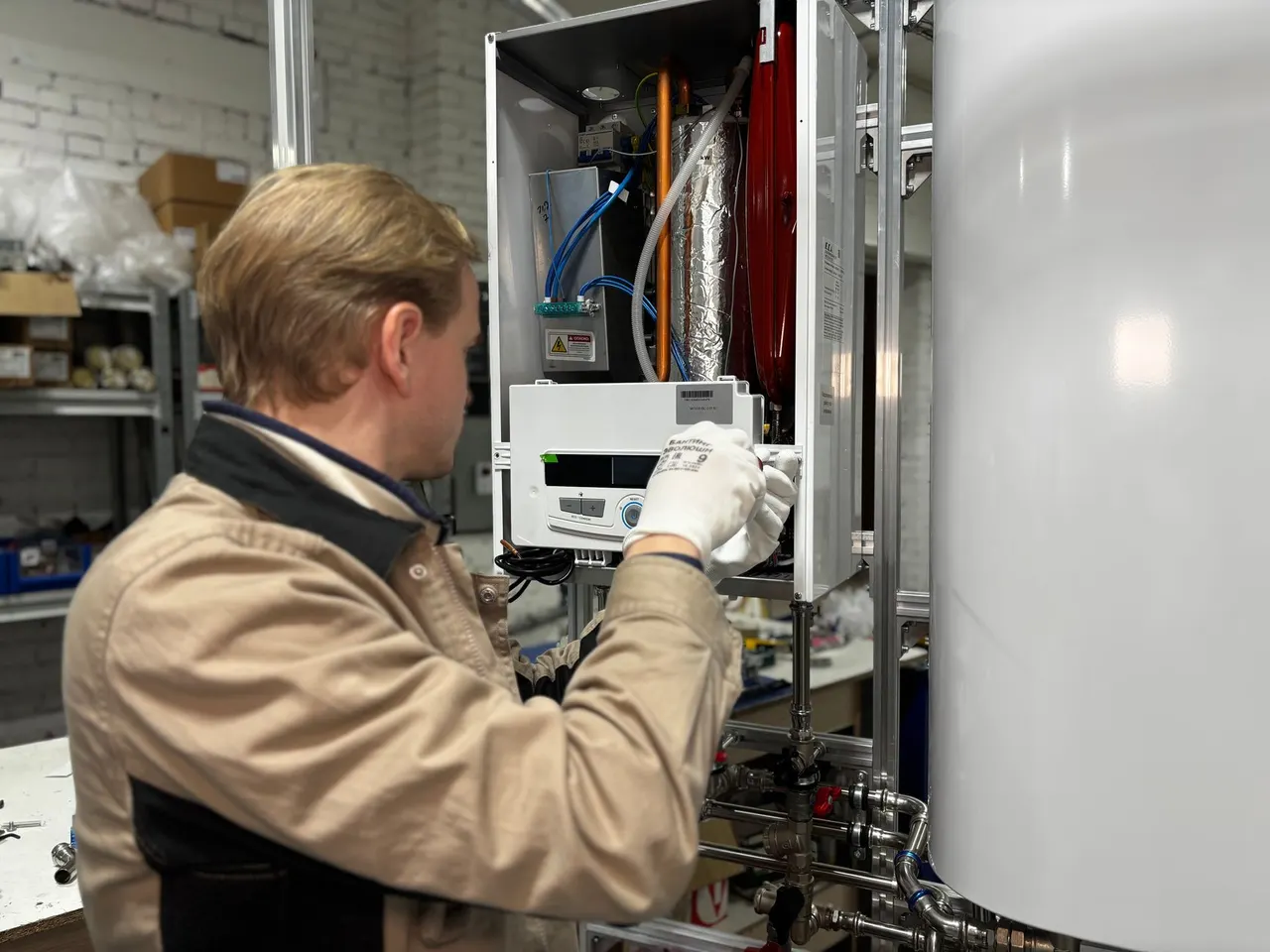
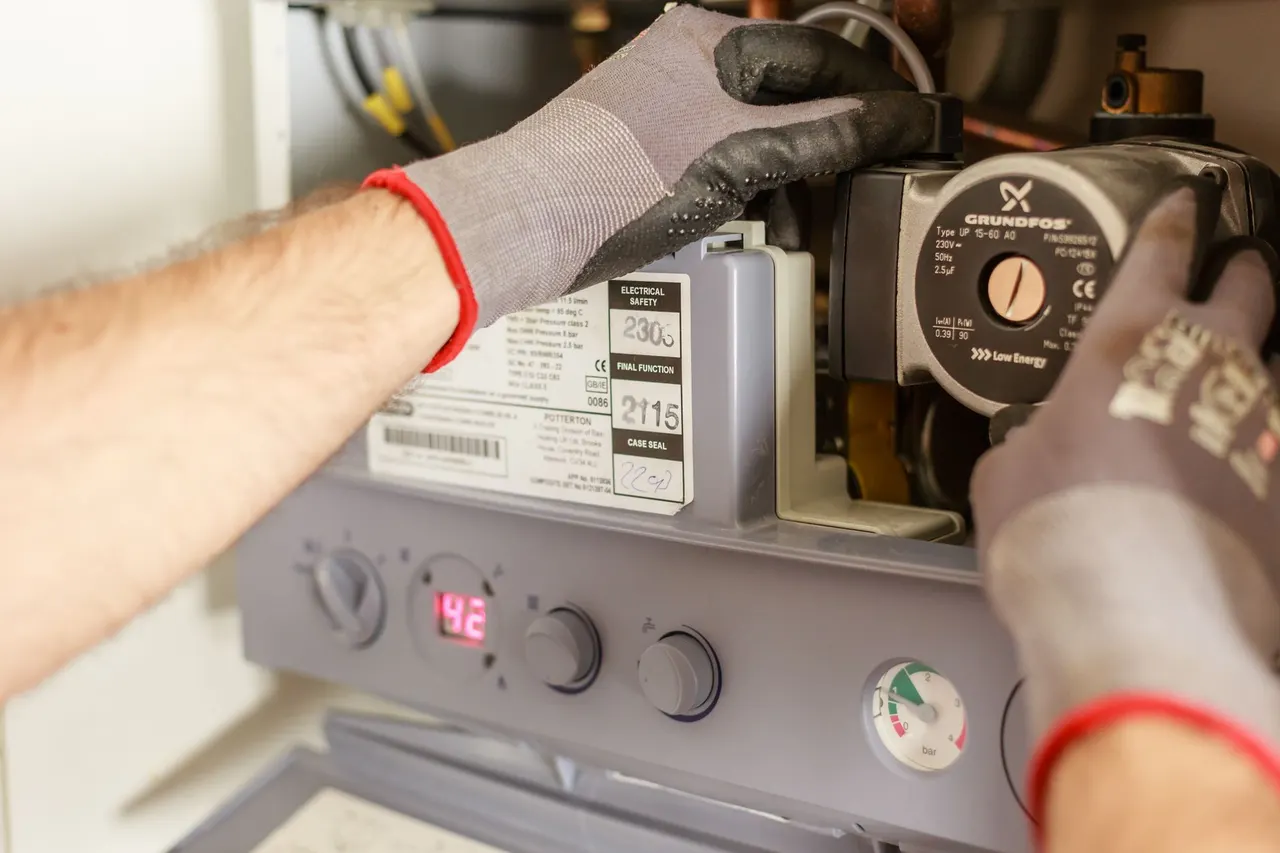
We inspect the anode rod, TPR valve, dip tube, and drain valve while the tank is open. If the anode is more than half consumed, we install a new one. If the TPR valve is weeping or the drain valve drips, we swap it. These parts cost little now and prevent a leak later. We use Rheem, A.O. Smith, and Bradford White parts that match your unit.
We refill the tank, bleed the air from the lines, and restore power or gas. Then we run the unit through a full heat cycle and check the temperature at the tap with a pressure gauge and thermometer. You get a written note of what we found, what we replaced, and when to schedule the next flush.
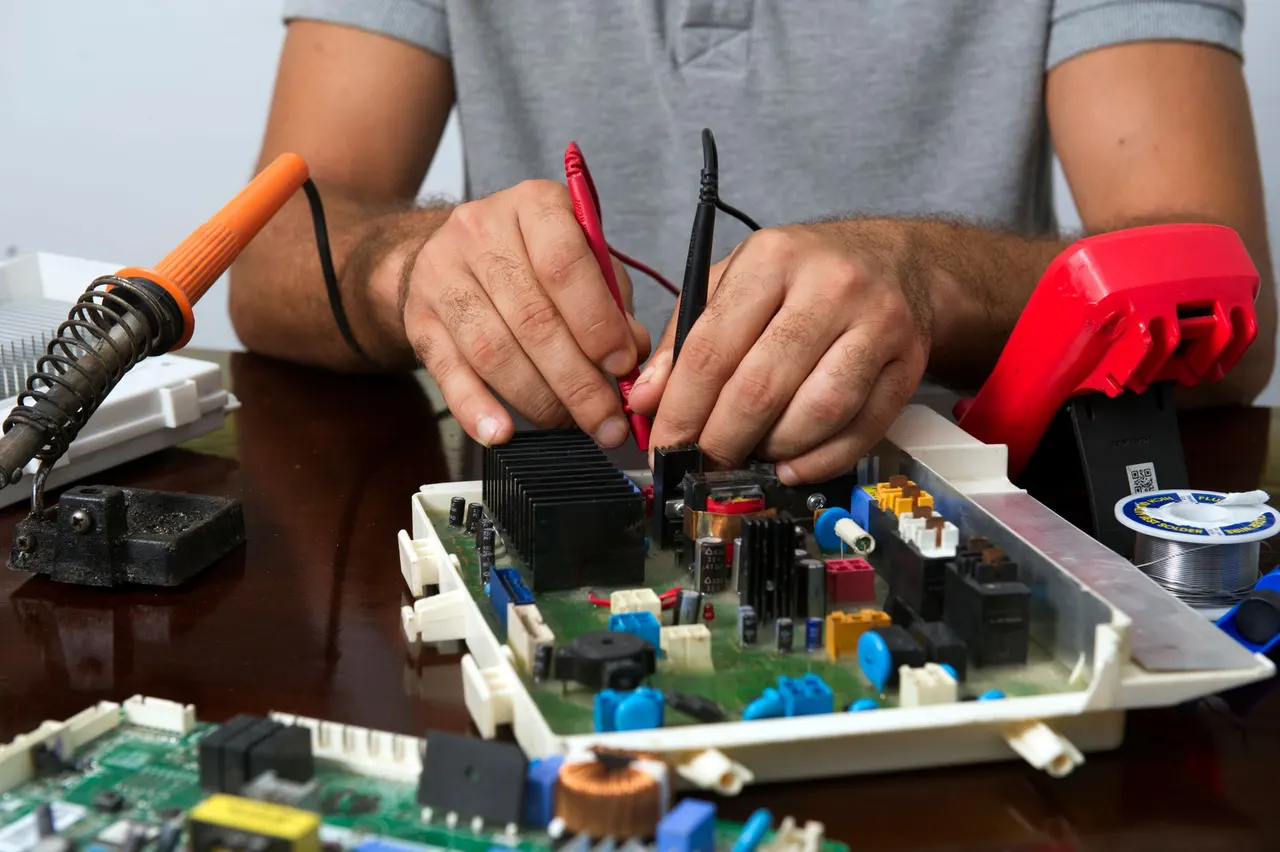
Recirculates food-grade descaler through a tankless heat exchanger for 30 to 45 minutes. It dissolves the scale that restricts flow and triggers error codes.
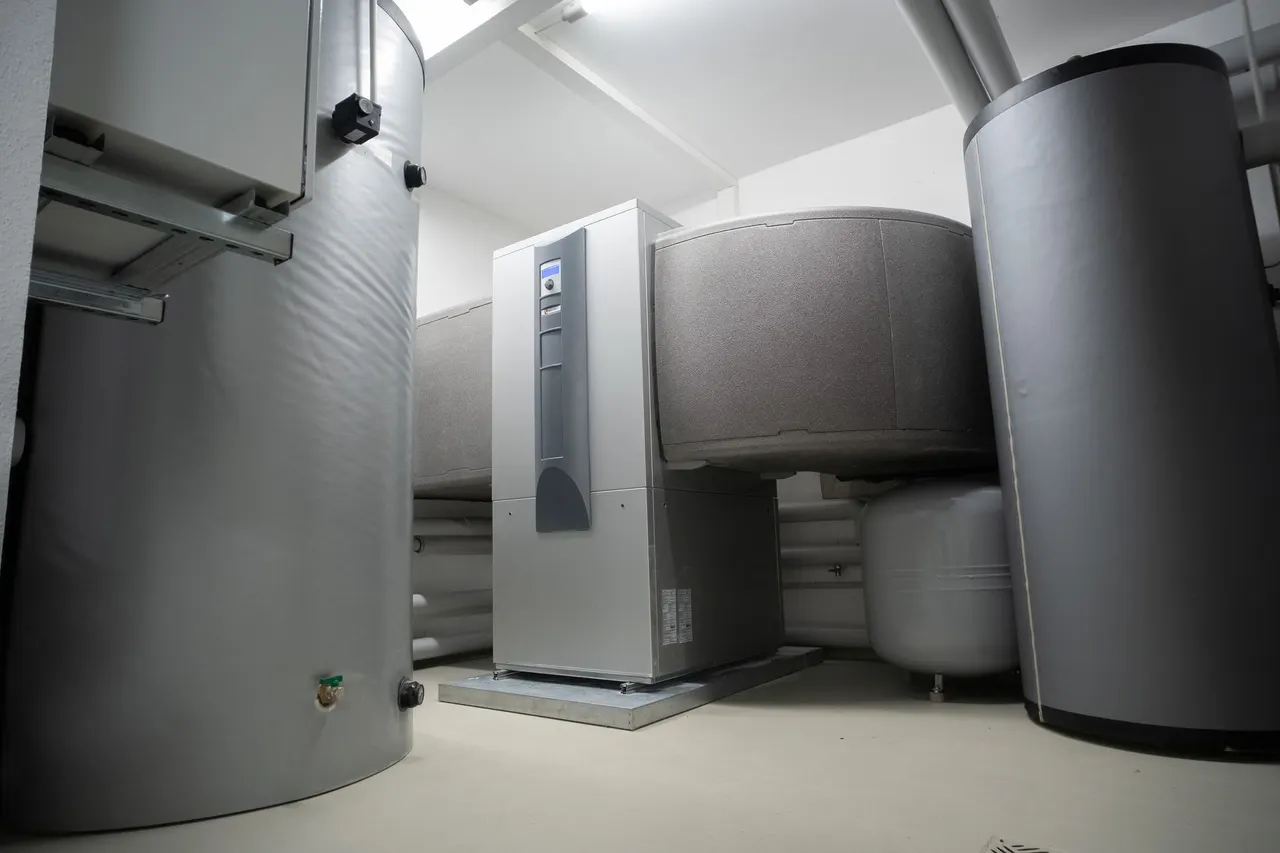
Pulls the lower heating element on electric tanks so we can soak it in descaler and scrape the tank floor behind it. A standard adjustable wrench rounds these off.
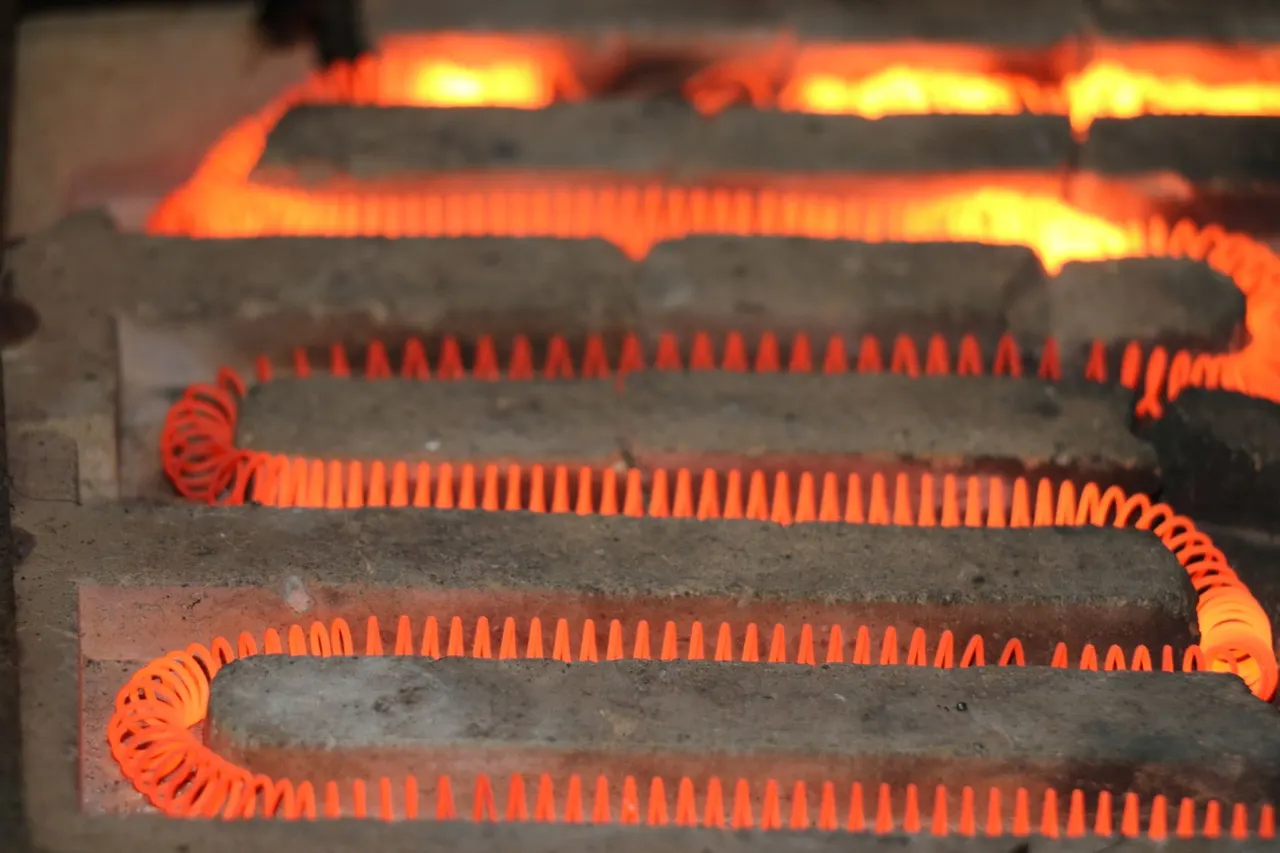
Lifts the TPR valve under controlled pressure to confirm it opens and reseats. A valve that sticks is a safety risk, and we replace it on the spot.
Lets us look inside the tank through the element port or the anode opening to see how much sediment is on the floor before we start draining.
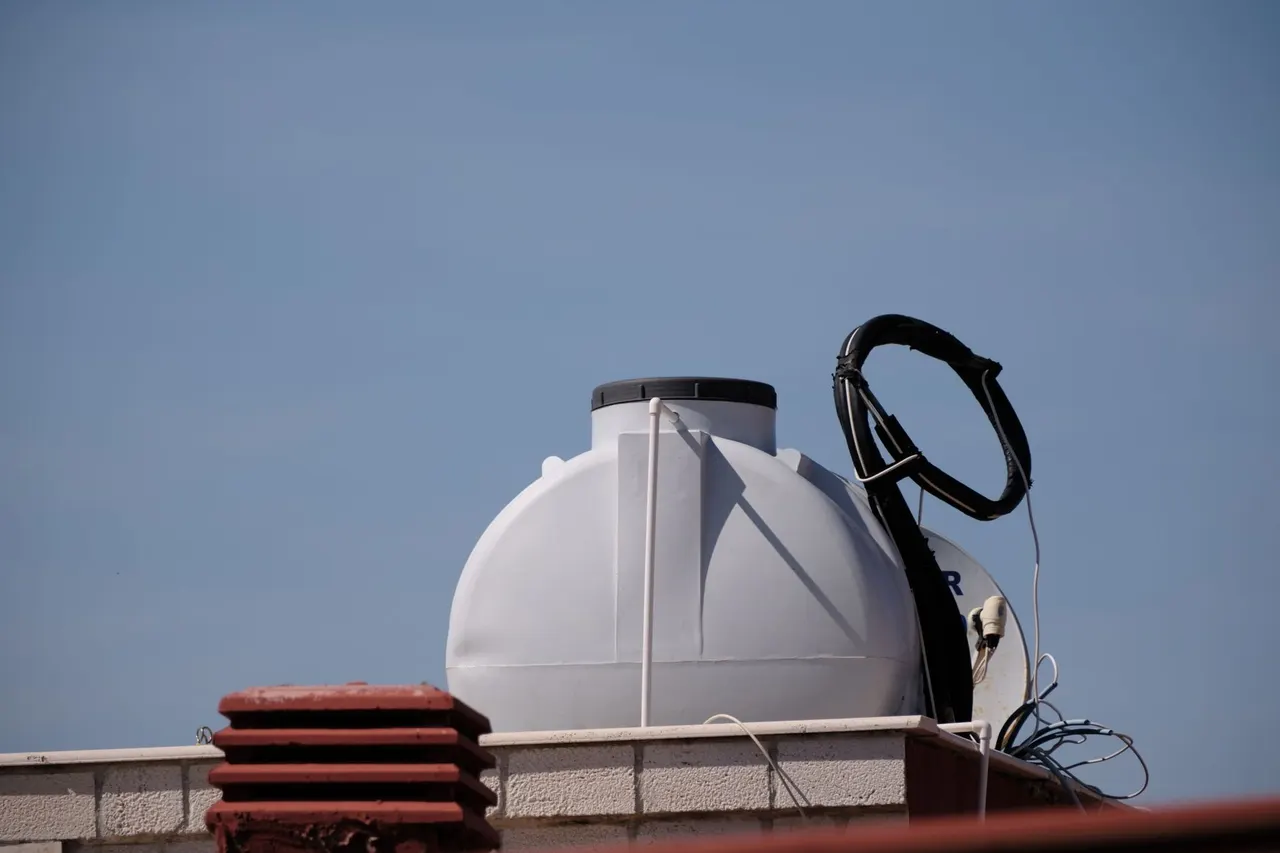
Checks system pressure after the refill and confirms the expansion tank is doing its job. High pressure wears out TPR valves and tank fittings.

Cleans the flue and vent connector on gas units. Sediment and scale can cause the unit to overheat and damage the venting over time.

We follow the descaling steps published by Navien, Rinnai, Noritz, and Takagi for their tankless units. That means isolating the unit, using approved descaler, and flushing the heat exchanger for the specified time. Following the procedure keeps your warranty intact.
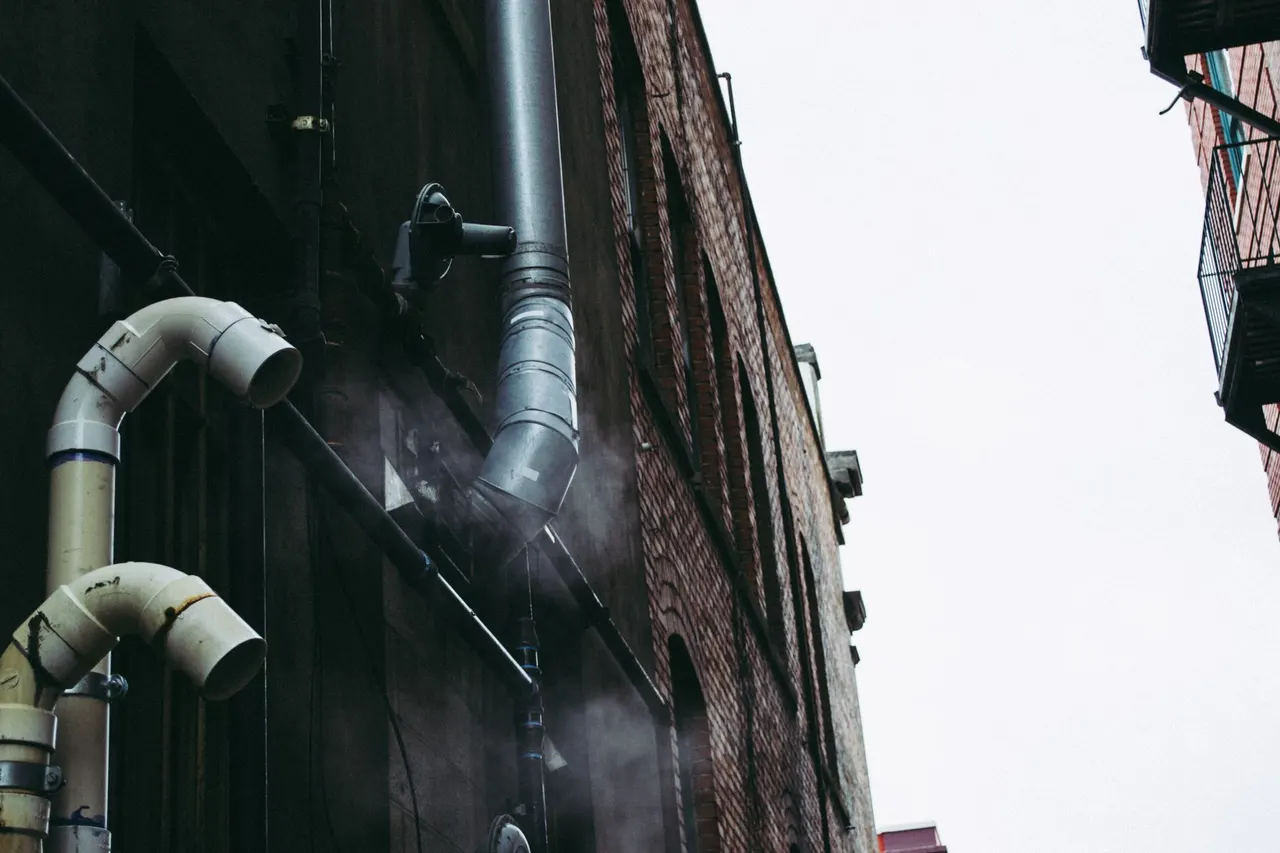
A tank that has never been flushed can have a thick crust that breaks loose in chunks and clogs the drain. We flush it in stages, clearing the valve as we go, so we do not leave debris behind or stress the tank.
We drain it, descale the elements, and inspect the anode rod. At this age the rod is usually half gone, so we replace it and note the condition for next year. The job takes about 90 minutes. You reset the clock on the tank and avoid the element burnout that usually hits around year six in Meridian's hard water.
We pull the element or open the tank port to see how much sediment is inside. If it is heavy, we flush it in stages so we do not shock a tank that has been running dirty for years. We also test the TPR valve and check the flue. You know exactly what shape the water heater is in and whether it has years left or needs a plan for replacement.
We set up a descaling pump with food-grade descaler and recirculate it through the heat exchanger for 30 to 45 minutes. Then we flush the inlet filter and check the flow sensor. Hot water pressure returns to normal, the unit stops derating, and you avoid a heat exchanger replacement that costs more than the unit itself.
We flush the tank, test the TPR valve, check the anode rod, and document the condition in writing. If the flue or venting needs work, we handle that too. You get a clean inspection report and the buyer gets a water heater that is not sitting on five inches of scale.
Meridian sits on water that runs hard, and that changes how often a tank needs attention. The city draws from wells and surface sources that carry dissolved calcium and magnesium, so scale builds faster here than in soft-water parts of the country. Homes in older neighborhoods like Old Town and Downtown Meridian often have original plumbing and tanks that have never been flushed, which means we sometimes find four to five inches of sediment in a 40-gallon unit. Newer builds out toward Century Farm and Meadow Lake are not immune. The water is the same, and a tankless unit can throw a scale code within two years if it is never descaled. We adjust our schedule to the water: most Meridian homes do best on an annual flush, and tankless units get descaled every 12 months. If you call for a water heater descaling near me Meridian, we will ask about the age of the unit and whether it has been serviced before. That tells us whether to expect a routine job or a staged flush on a neglected tank. We pull permits when the work requires it and follow Mississippi code on venting and TPR discharge.
The tank was six years old and had never been flushed. The homeowner heard popping from the hallway and the burner ran for 25 minutes to recover after two showers. We pulled the element port and found four inches of scale on the tank floor.
We drained and scraped the tank, replaced the anode rod and drain valve, and refilled it. Recovery time dropped to about 14 minutes and the popping stopped. The next gas bill was $16 lower than the same month the year before.
We put the homeowner on a yearly flush reminder. With Meridian's hard water, an annual service keeps the tank floor clear and the anode rod fresh.
A two-year-old Navien unit was throwing a scale code and the hot water pressure had dropped by half. The homeowner had never descaled it. The heat exchanger was coated with a hard mineral layer that restricted flow.
We isolated the unit and ran a descaling pump for 45 minutes with manufacturer-approved descaler. The code cleared, flow returned to full pressure, and the unit held temperature through a long shower test. No parts needed replacing.
We showed the homeowner how to use the isolation valves and set a 12-month descale reminder. Annual descaling is what keeps a tankless unit under warranty.
A 40-gallon electric unit in a rental property had no hot water. The lower element had burned out, and the tank floor was covered in scale. The tenant had been without hot water for two days.
We replaced the lower element and thermostat, flushed the tank, and installed a new anode rod. Hot water was back within two hours of our arrival, and the unit held temperature at 120 degrees through the test cycle.
The property manager added the unit to a yearly flush schedule. Electric tanks in hard water burn out elements fast when scale is left on the tank floor.
Sediment does not fix itself. It builds every month, and the symptoms get worse until something fails. Here are the problems we see most often and what a flush does about them.
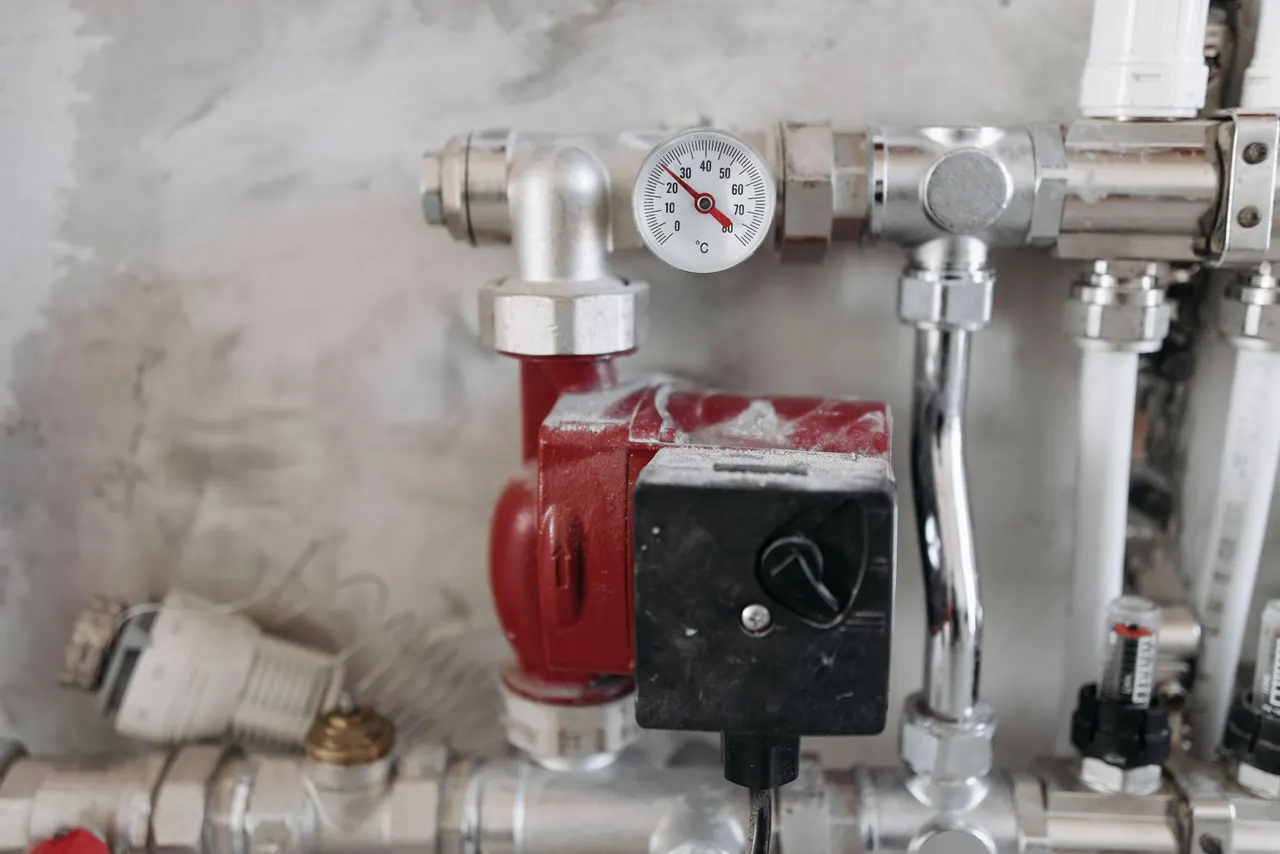
We drain the tank, scrape or vacuum the sediment layer, and descale the elements. The popping stops because the water can boil evenly again. Most customers notice the quiet on the first heat cycle after we leave. That noise is steam trapped under scale. It means the tank floor is overheating, which speeds up corrosion and can crack the steel over time.
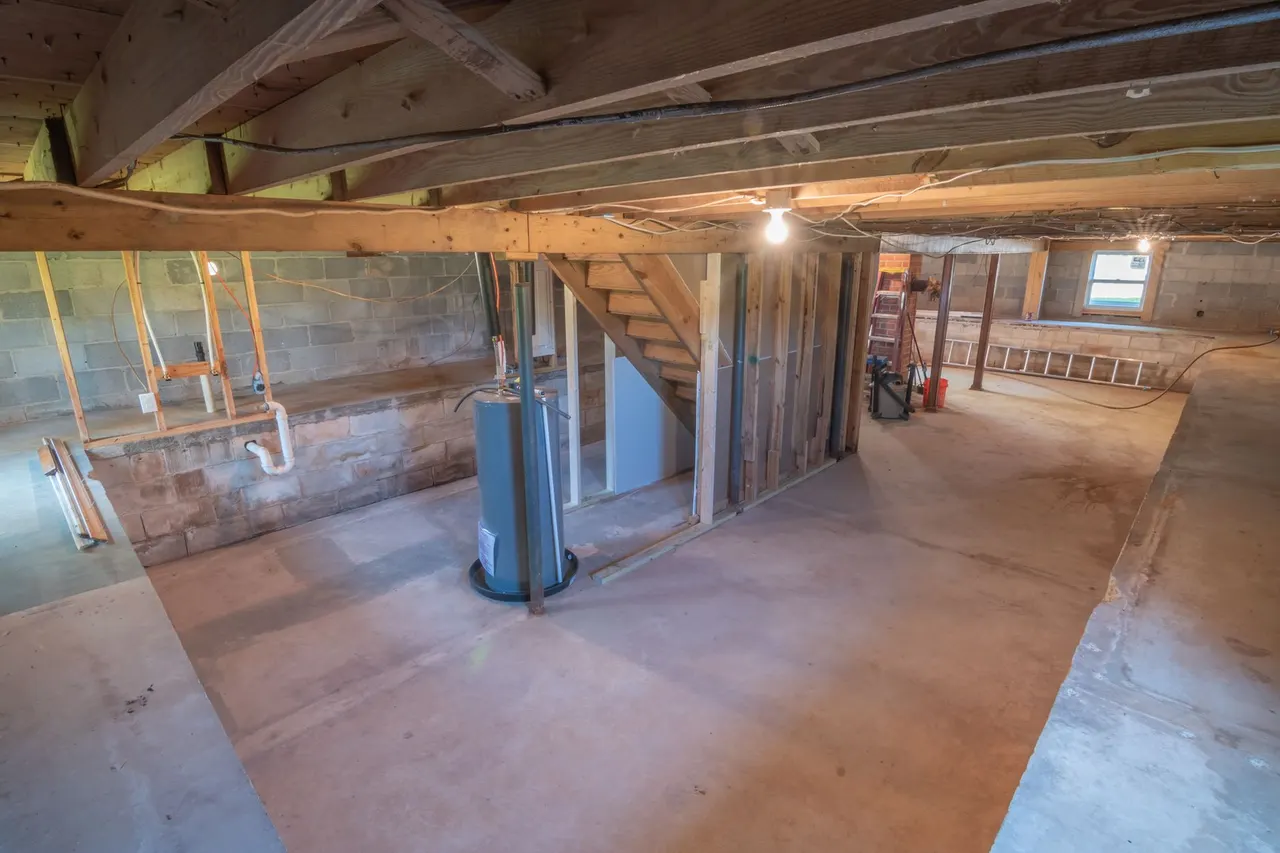
A full flush restores the tank's capacity. You get the full volume of hot water back, and the recovery time between showers drops. If the tank still runs short after a flush, we check the dip tube and lower element. Sediment takes up space in the tank, so a 50-gallon unit may only hold 35 gallons of usable hot water. Showers go cold and the dishwasher has to wait.
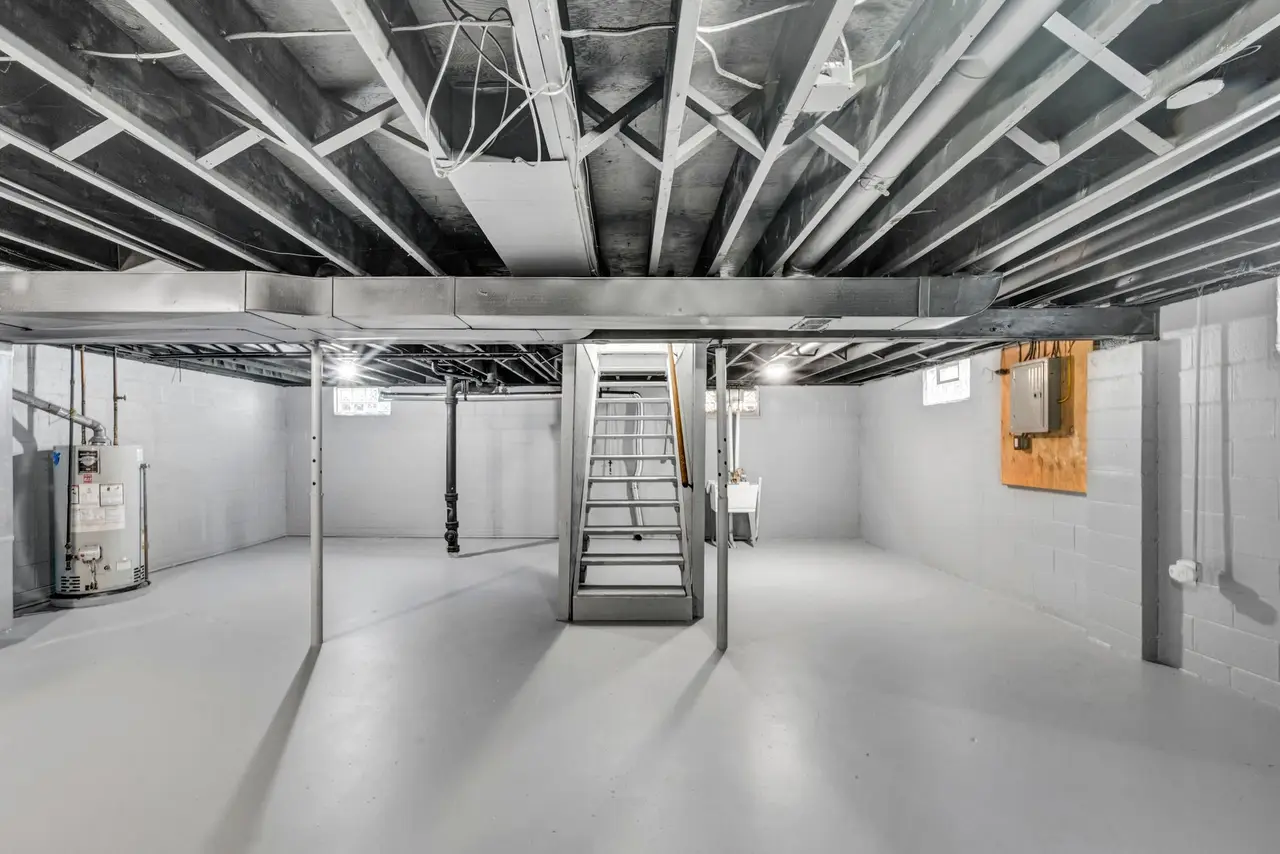
Once the sediment and scale are gone, the burner or element transfers heat directly to the water. The unit runs shorter cycles and uses less fuel. Most Meridian customers see a measurable drop on the next bill. Scale insulates the water from the heat source, so the unit runs longer to hit the set temperature. That shows up as a higher utility bill every month.
We isolate the unit and run a descaling pump with manufacturer-approved descaler through the heat exchanger for 30 to 45 minutes. The code clears, flow returns to normal, and we show you how to isolate the valves for next time. Scale narrows the heat exchanger and restricts flow. The unit derates or shuts down, and you get cold water or an error code on the display.
A quarter-inch of scale forces a tank to work roughly 15 to 20 percent harder to reach the same temperature. Once we flush the sediment and descale the elements, your unit recovers that efficiency. Most customers in Meridian see a measurable drop on the next billing cycle, and the burner runs noticeably shorter cycles.
Sediment steals capacity. A 50-gallon tank with four inches of rock at the bottom holds closer to 35 gallons of usable hot water. After a water heater descaling Meridian MS service, you get the full tank back. Showers stop going cold halfway through, and the dishwasher and laundry can run back to back.
That popping and banging is steam trapped under a crust of scale. It is not a normal sound, and it gets worse. A flush removes the layer, so the water boils evenly across the tank floor. Customers tell us the unit goes silent, and the rattle they had gotten used to simply disappears.
Sediment overheats the steel beneath it and accelerates corrosion of the anode rod and tank lining. Flushing on a regular schedule is the single best way to stretch a tank past its warranty window. We check the anode rod while we are in there and replace it if it is eaten down to the core wire.
Typical 2026 pricing in Meridian runs $150 to $280 for a standard tank flush and $200 to $350 for a tankless descale. The price depends on tank size, how much sediment has built up, and whether we need to replace the anode rod, drain valve, or element while the tank is open. We quote the full price before we start, and there is no charge for the estimate. If a flush will not solve the problem, we tell you that too and give you the price for a repair or replacement instead.
What your estimate is based on
$150 - $350 depending on tank size, sediment severity, and parts replaced A flush costs a fraction of a new water heater and often adds years to the tank you already have. It also cuts your monthly gas or electric bill and prevents the kind of leak that damages floors and drywall.
Clear records you can keep and share.
Anode rod condition and parts replaced
Tap temperature verified after refill
Next service date noted for your unit
A flush removes sediment from the tank floor and scale from the elements. It is different from a repair, which replaces a failed part.
A flush cleans the tank and restores efficiency. A repair replaces a part that has already failed, like an element or a TPR valve. Many jobs need both.
Tanks get drained and scraped. Tankless units get a descaling pump recirculating descaler through the heat exchanger. The two processes use different equipment.
Not listed? Call and we will tell you straight away. +16015310808
Once a year is the right schedule for most Meridian homes. Our water runs hard, so sediment builds faster here than in soft-water cities. If you have a tankless unit, descale it every 12 months or sooner if you see a scale code. Homes with heavy water use, like a family of five, may need a flush every eight to ten months. We can set a reminder for you after the first service.
Typical 2026 pricing in Meridian runs $150 to $280 for a standard tank flush and $200 to $350 for a tankless descale. The price depends on tank size, how much sediment has built up, and whether we need to replace the anode rod or drain valve while we are in there. We quote the full price before we start, and there is no charge for the estimate.
Popping means water is trapped under a layer of sediment and turning to steam against the hot tank floor. It is the most common sign that you need a water heater sediment flush in Meridian Mississippi. The noise will get louder over time, and the unit will run longer to heat the same water. A flush removes the layer and quiets the tank.
Yes. Sediment insulates the tank floor, overheats the steel, and speeds up corrosion. It also burns out lower heating elements and clogs tankless heat exchangers. Left alone, it can shorten a tank's life by several years and lead to a leaking tank or a failed TPR valve. A yearly flush is the cheapest way to protect the unit.
We quote the price before we start, show up when we say we will, and leave the closet cleaner than we found it. Call +16015310808 and we will get your hot water running quiet again, often the same day.
Reach us at +16015310808 and you will talk to someone who knows water heaters, not a script. We book same-day windows for most of Meridian and keep the line open for emergency leaks. If you are outside the usual ZIP codes, call anyway and we will tell you straight whether we can get to you.