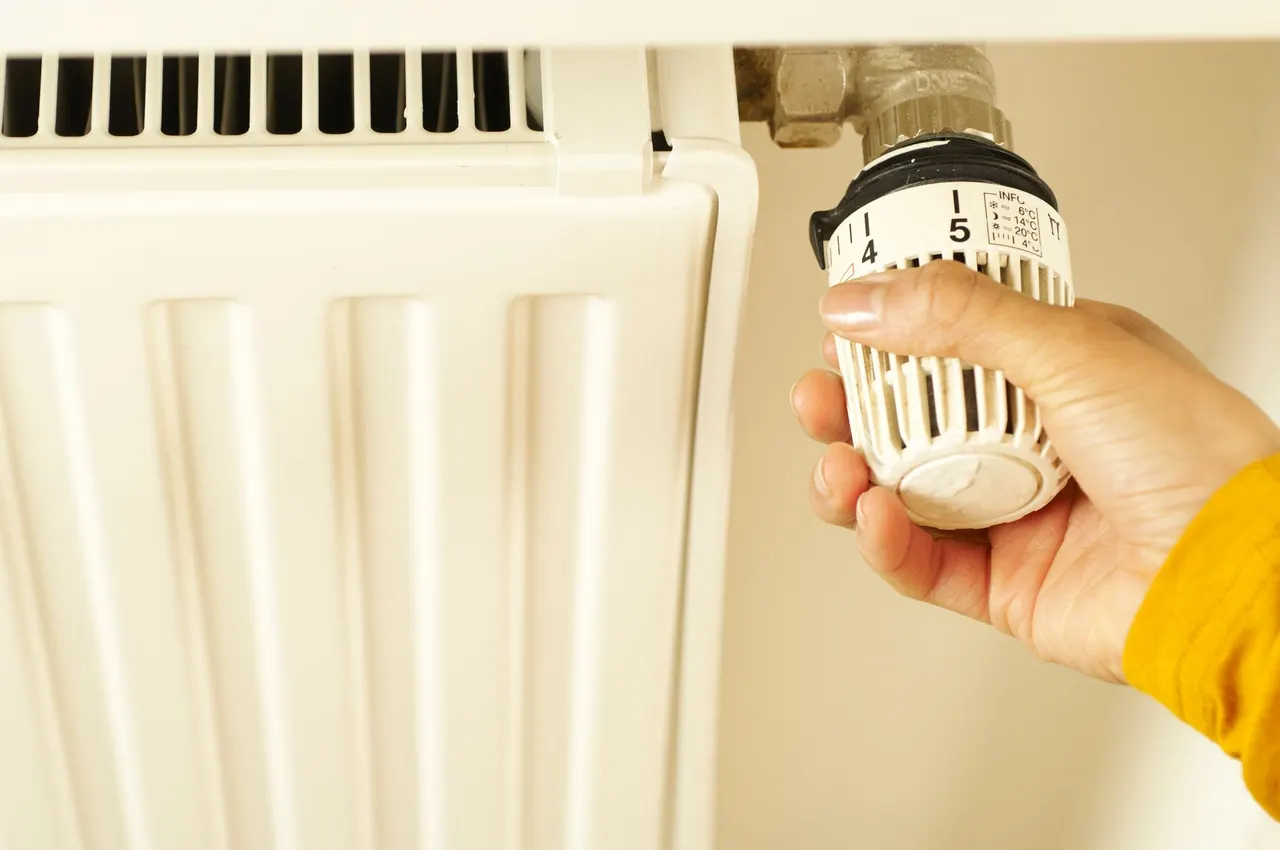
Written report
One page with readings and photos.
A water heater inspection Meridian MS is the cheapest hour you will ever spend on your plumbing. We pull the access panel, test the TPR valve, read the anode rod, check the flue for backdrafting and flush a sample of sediment out of the drain. If your tank is 8 years or older, or you have never had a water heater safety check in Meridian MS, book it now. We work Lauderdale County seven days a week.
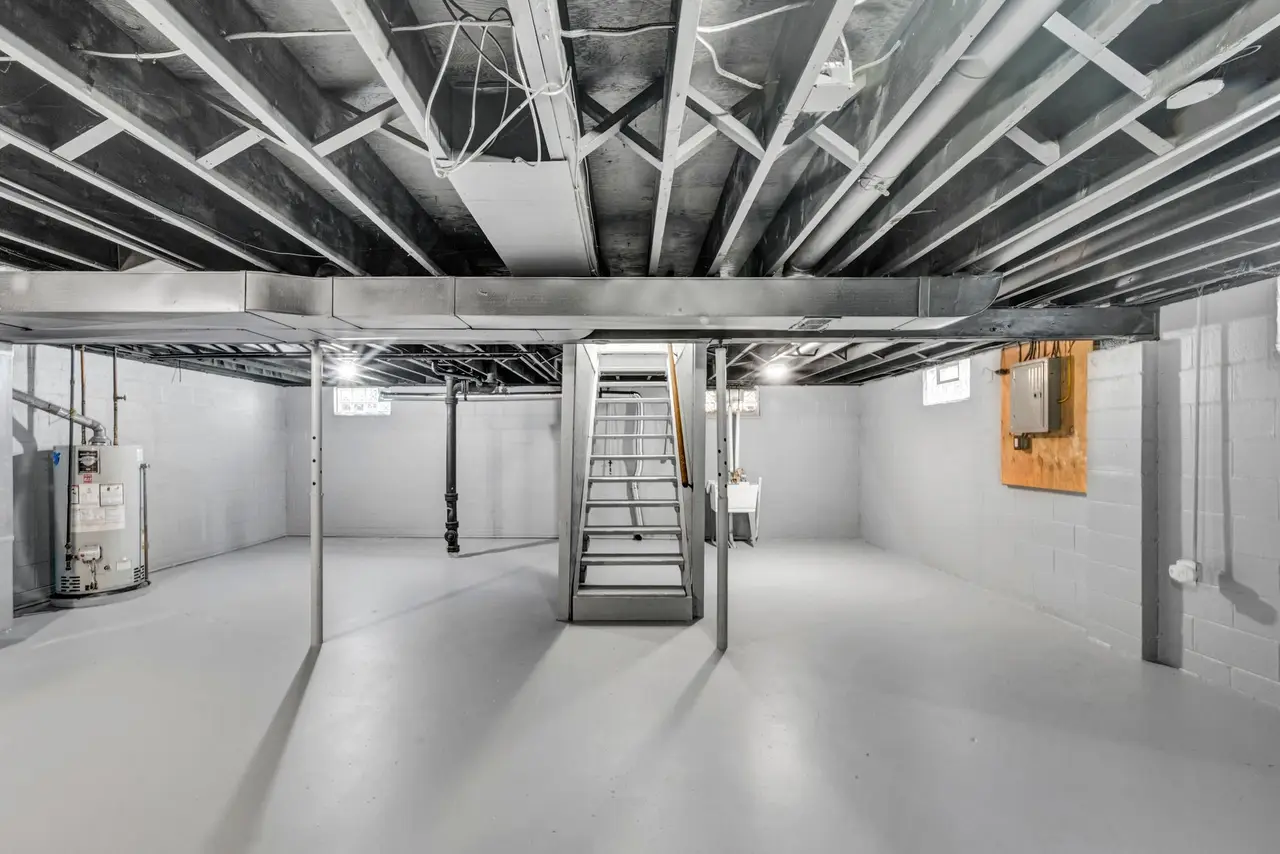
Every inspection covers the safety devices, the tank condition and the venting. Repairs and parts are quoted separately, and you approve them before we start. Here is what you get as part of the flat inspection rate.
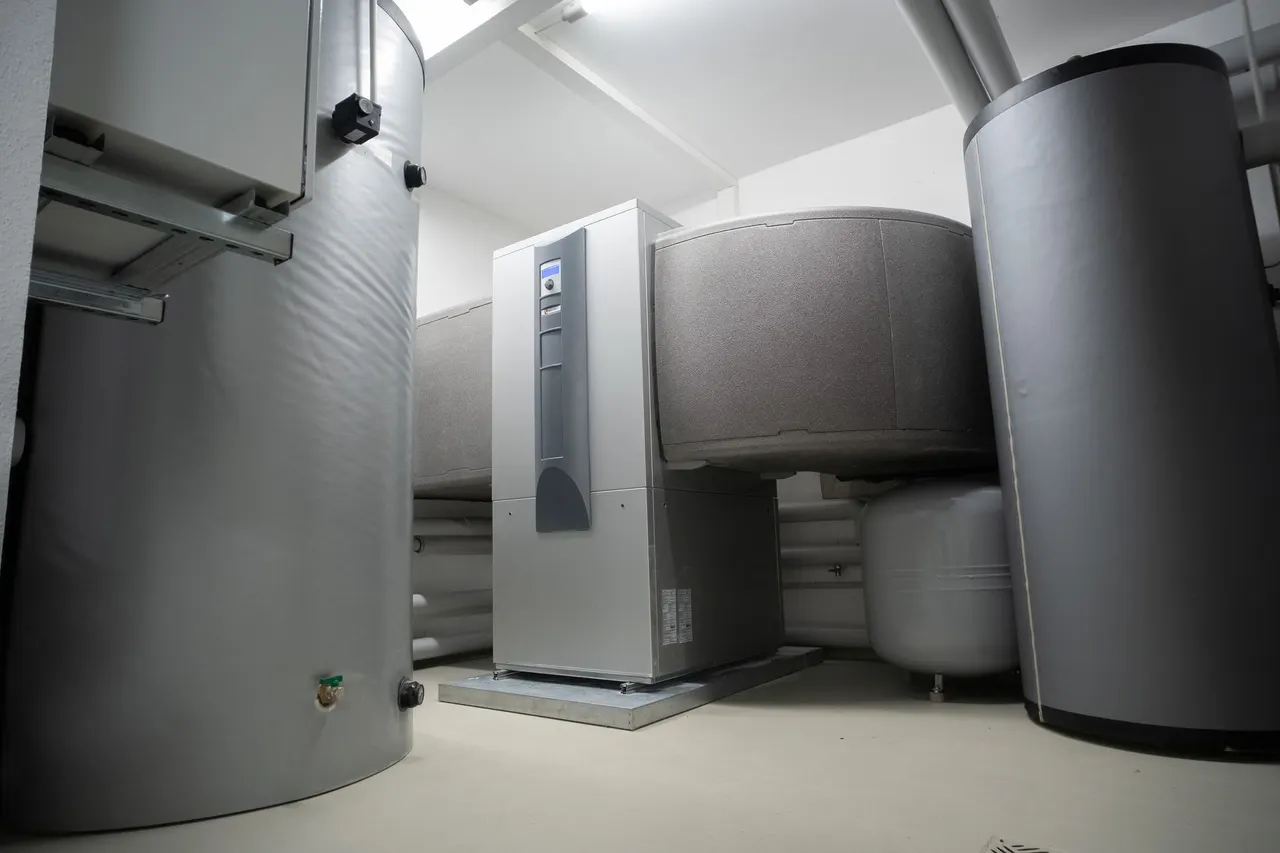
We inspect tank, tankless, gas and electric water heaters in houses, duplexes and rentals across Meridian. You get a written report with photos and a straight answer on what needs fixing now.
Restaurants, salons, small hotels and property managers need hot water that does not quit mid-service. We inspect commercial tanks and boilers and verify recovery rate against your actual demand.
A water heater inspection Meridian MS is a hands-on safety and condition assessment that checks the tank, the burner or elements, the venting, the TPR valve, the anode rod and the connections while the unit is still running. We do not just look at it. We drain a quart of water to read sediment, test the TPR valve with a tester, meter the thermocouple and heating element with a multimeter, and run a camera into the flue to look for backdrafting. You get a written report with photos and a straight answer on remaining life.
Meridian sits in Lauderdale County where the water runs hard, and that mineral load settles into every tank bottom. Sediment buildup is the number one cause of premature tank failure here, and it is invisible until the popping starts. A water heater safety check Meridian MS every 12 months catches it early. If you have never had a water heater inspection in Meridian Mississippi, start with one before the next cold snap, because that is when tired tanks quit.
We test the safety devices first, then tell you plainly what the tank has left.
We schedule a two-hour window, show up inside it, and walk you through what we find. No waiting around, no mystery invoice.
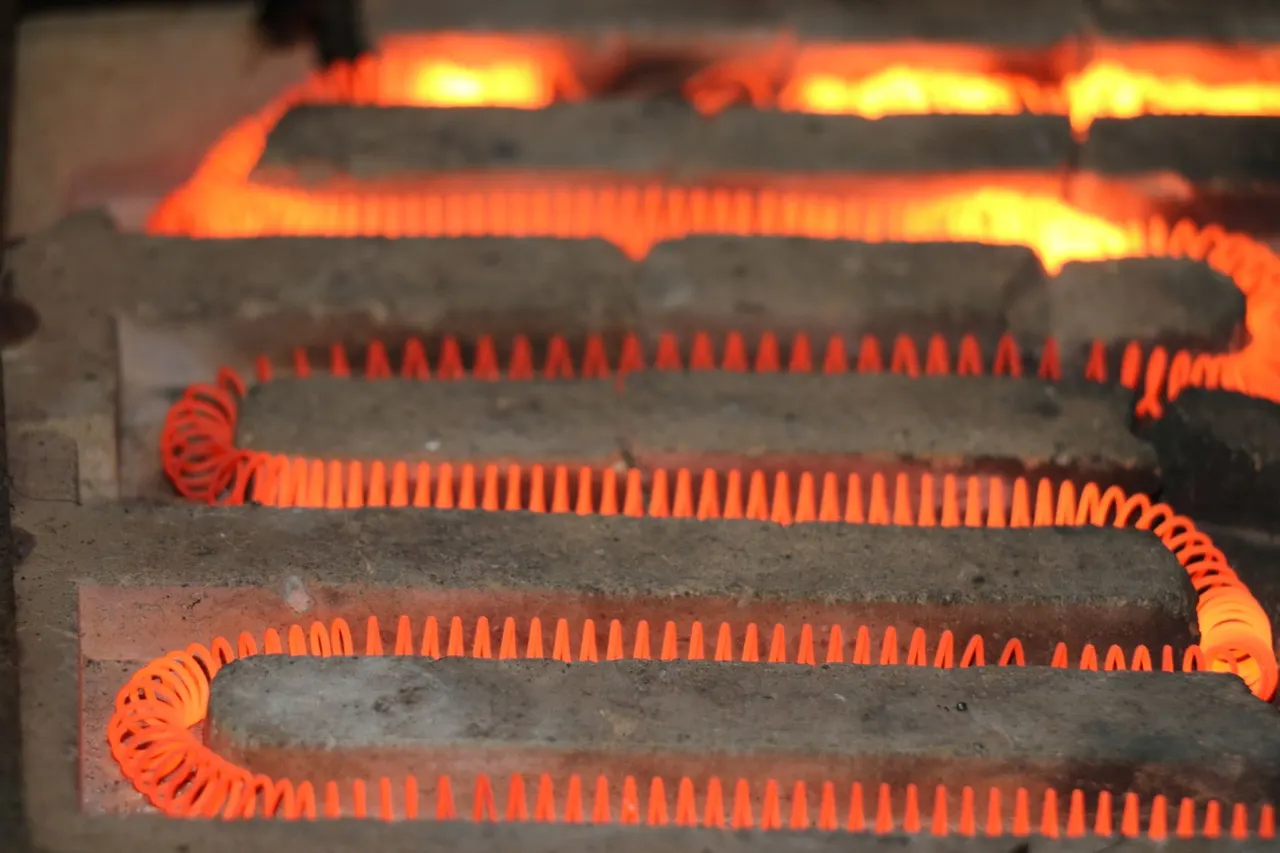
We start at the tank. We look at the drain pan, the flex connectors, the dielectric unions and the vent pipe. We check for rust streaks, scorching at the flue, water staining on the floor and any sign the unit has been moved or patched. Ten minutes, and it already tells us a lot.
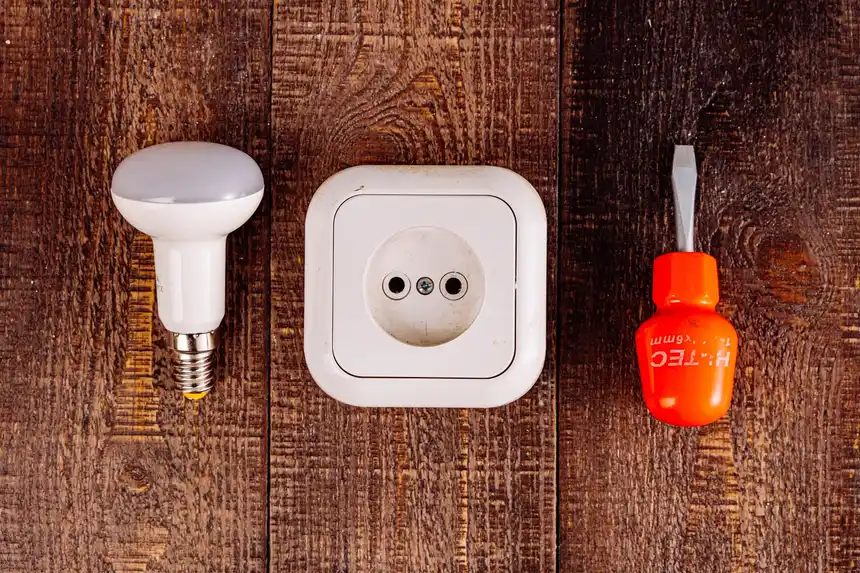
The TPR valve gets tested with a proper tester, not a finger. We verify it opens at the rated pressure and reseats without dripping. On gas units we test the thermocouple and check the pilot flame color. On electric units we meter the heating element and thermostat with a multimeter and confirm the upper and lower elements are both drawing.
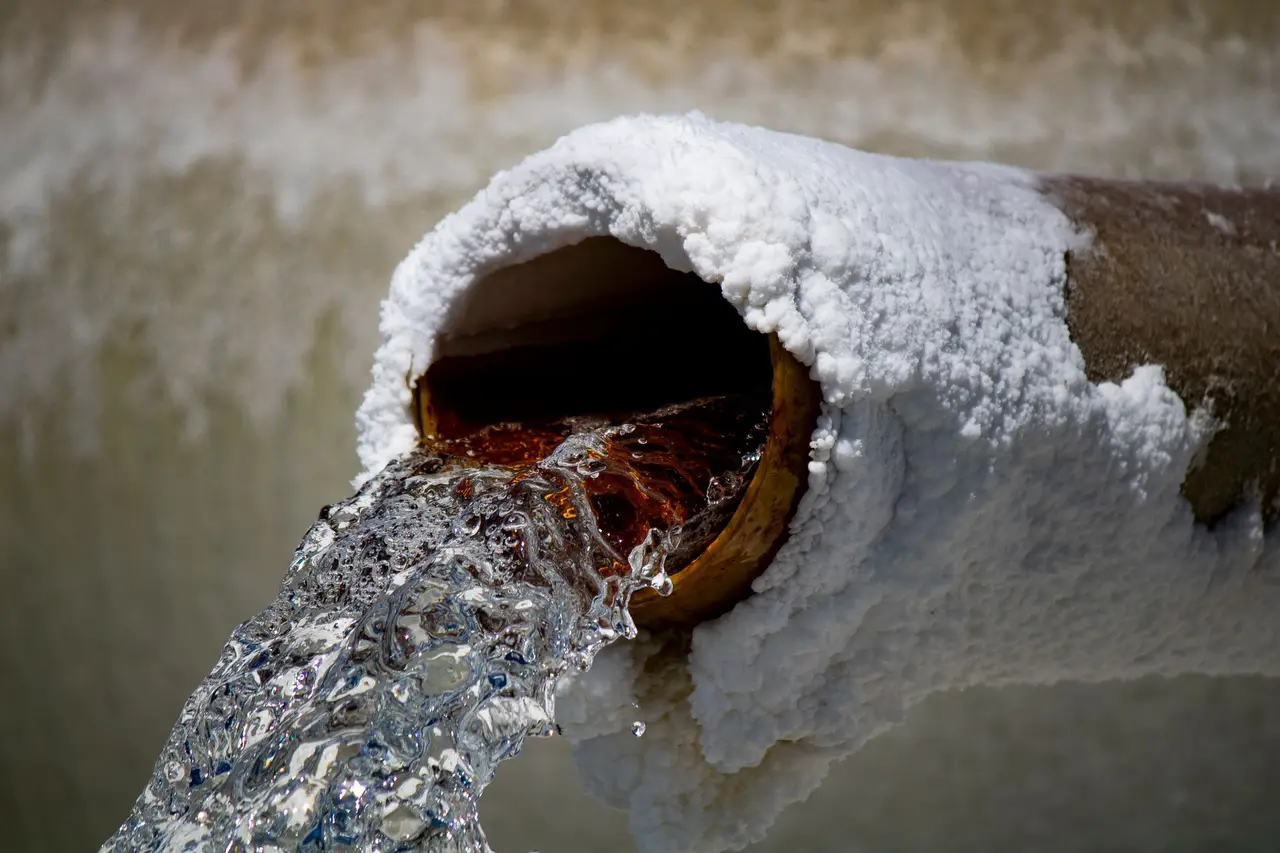
We drain a sample from the bottom valve into a clear jar so you can see what is in your tank. Then we pull the anode rod and measure how much core is left. If it is under 50 percent, we quote a replacement on the spot. This is the step most homeowners never get from a quick look-over.
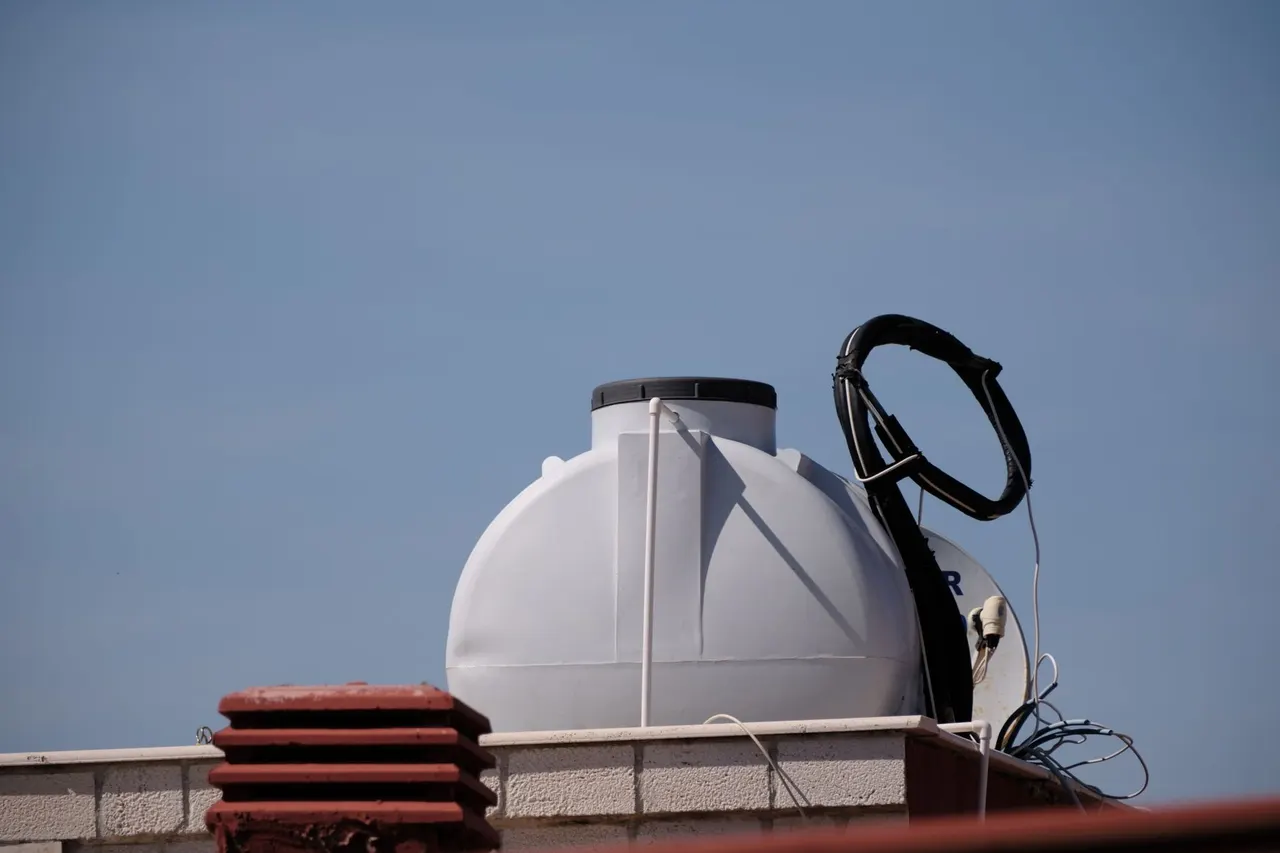
On gas and propane units we run a draft test at the flue with a smoke pencil or draft gauge. We check the vent pipe for proper rise, secure joints and correct termination. If we see backdrafting, we shut the unit down and explain the fix. Carbon monoxide is not something we leave to chance.
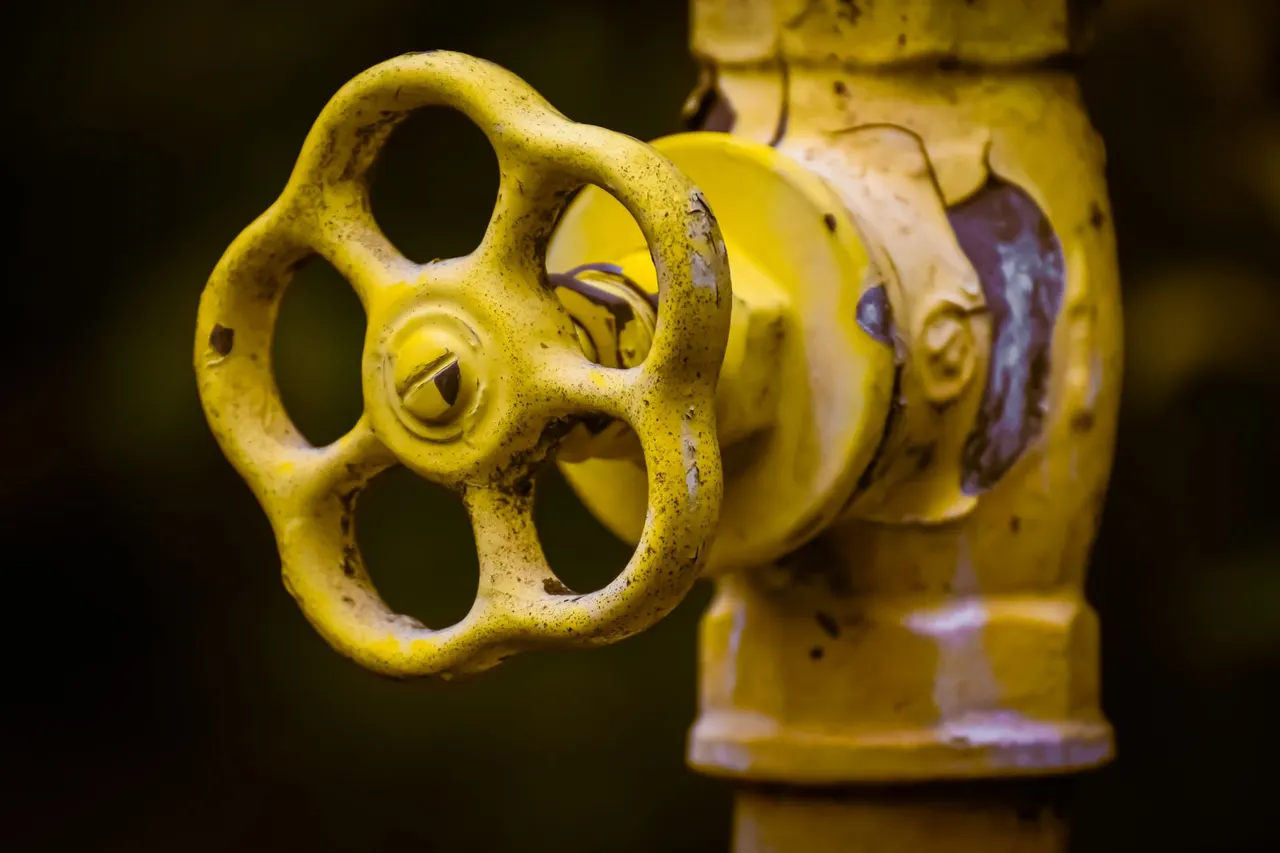
You get a one-page report with photos, the measured readings and a plain-language list: what is fine, what needs attention now, and what can wait. We price any recommended repair on the spot. No pressure, no subscription, no upsell. You decide what happens next.

Tests the temperature and pressure relief valve under real pressure to confirm it opens at the rated setting and reseats cleanly without dripping.
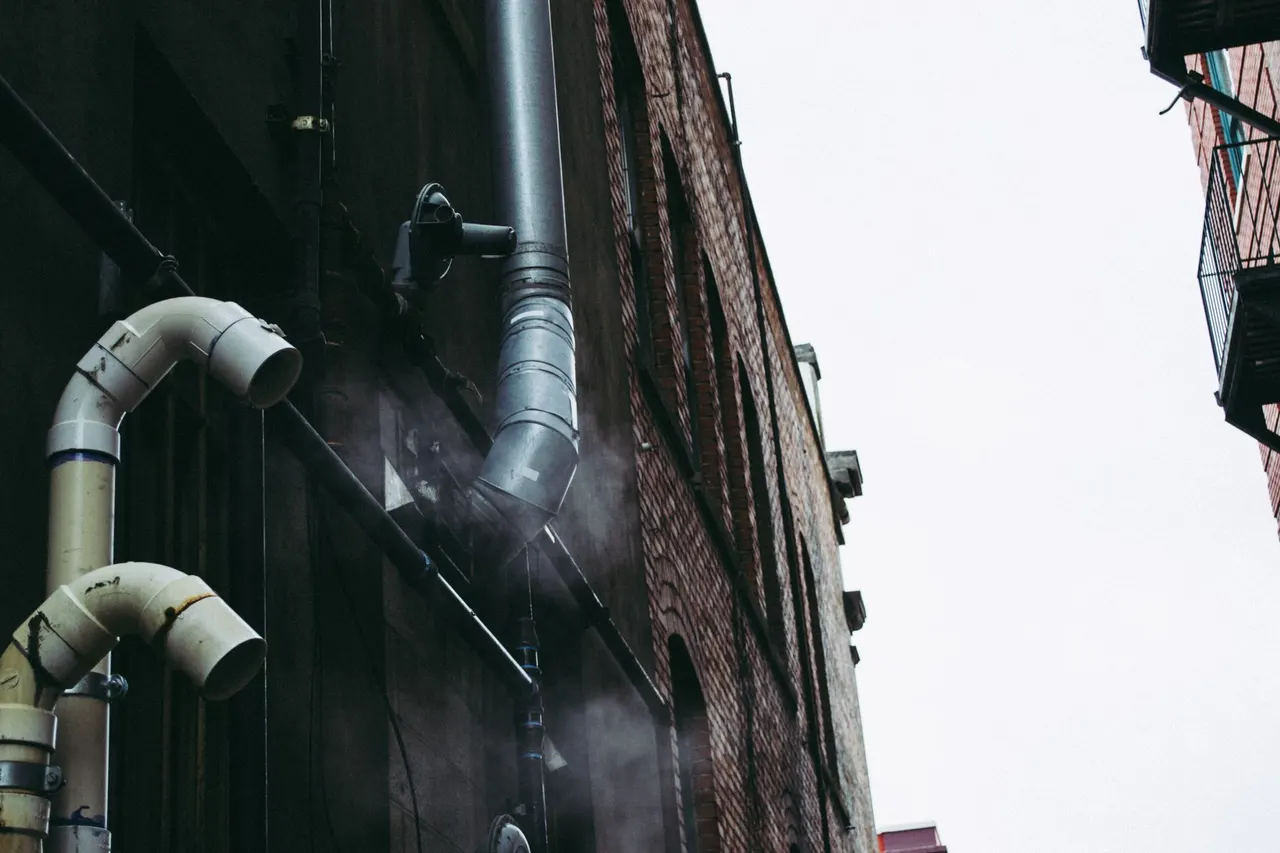
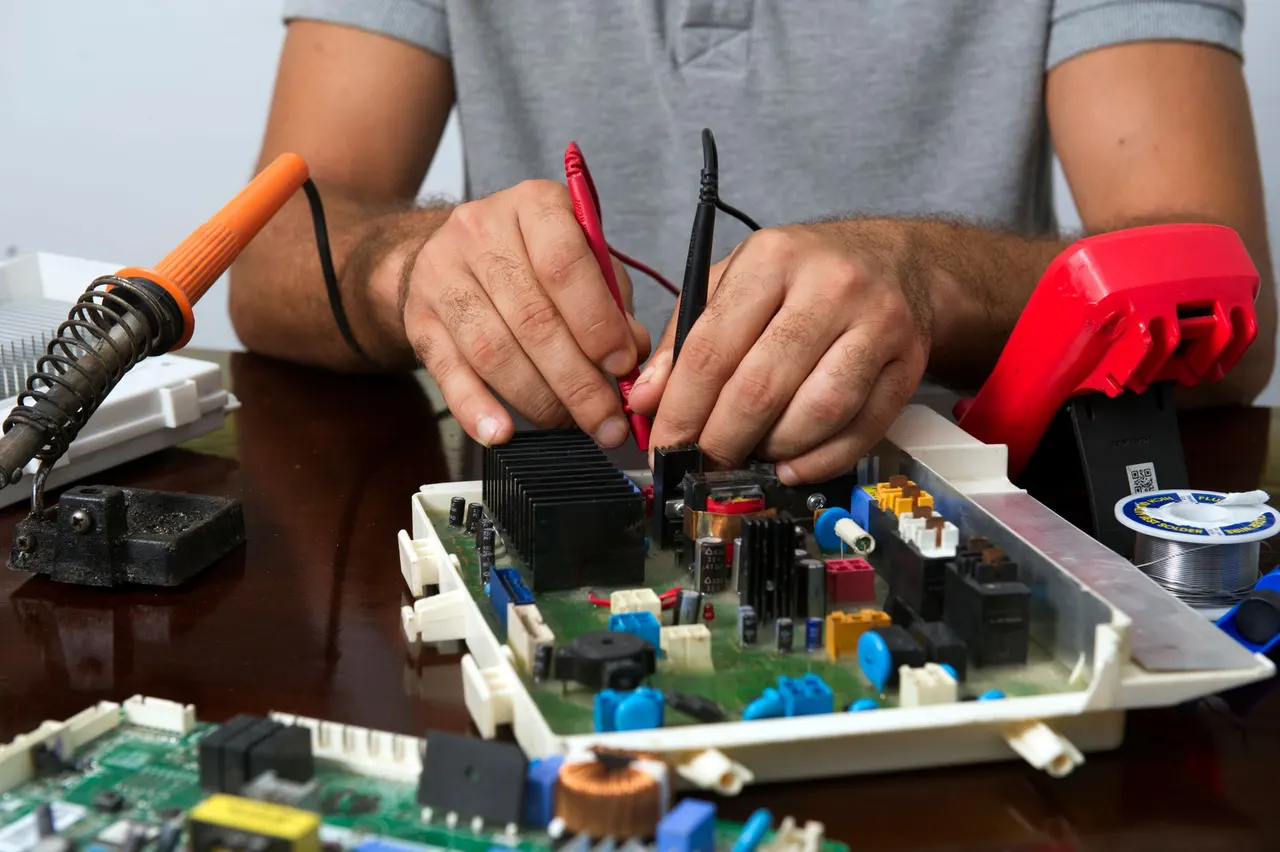
Meters heating elements, thermostats and thermocouples on electric and gas units to confirm they are drawing correctly and within spec.
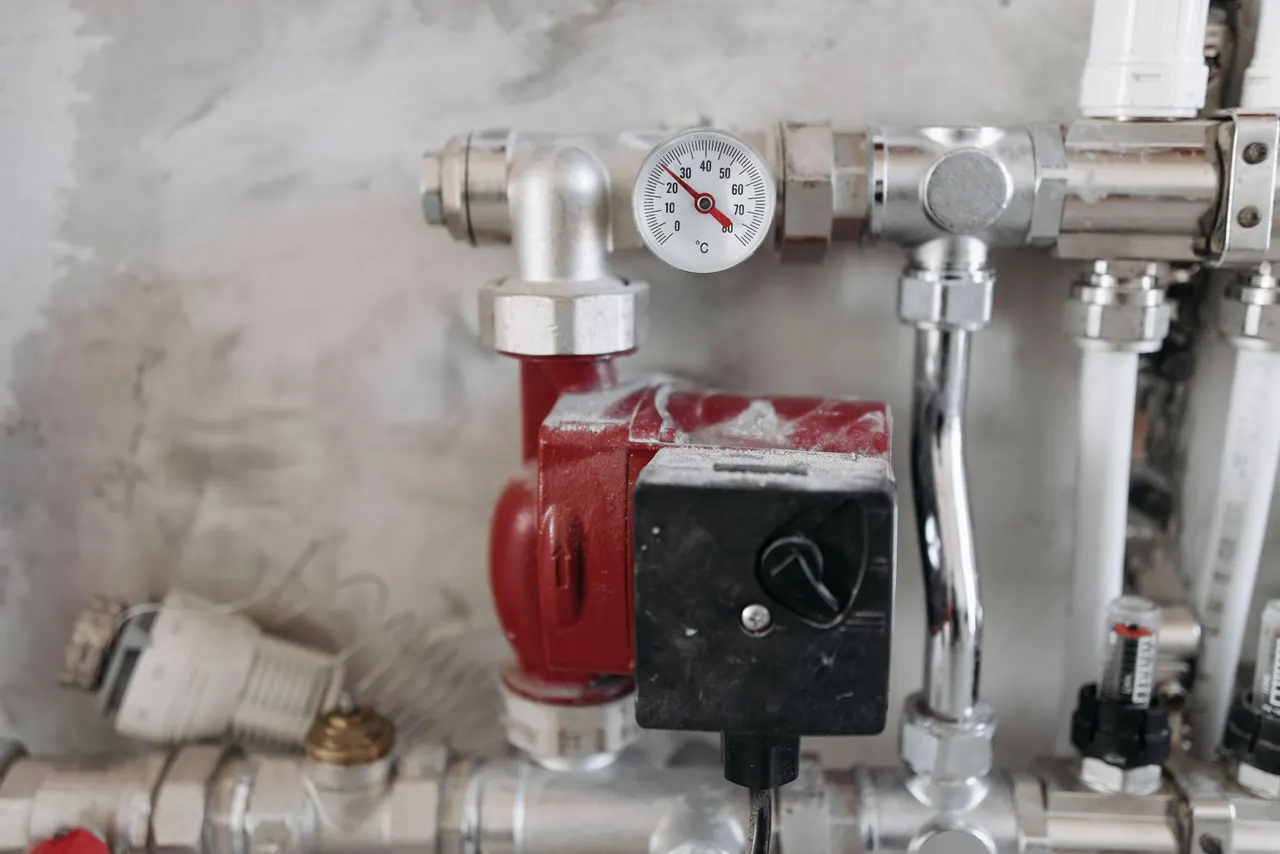
Looks under the tank, inside the flue and behind the vent pipe for corrosion, blockages and leaks that are not visible from the outside.
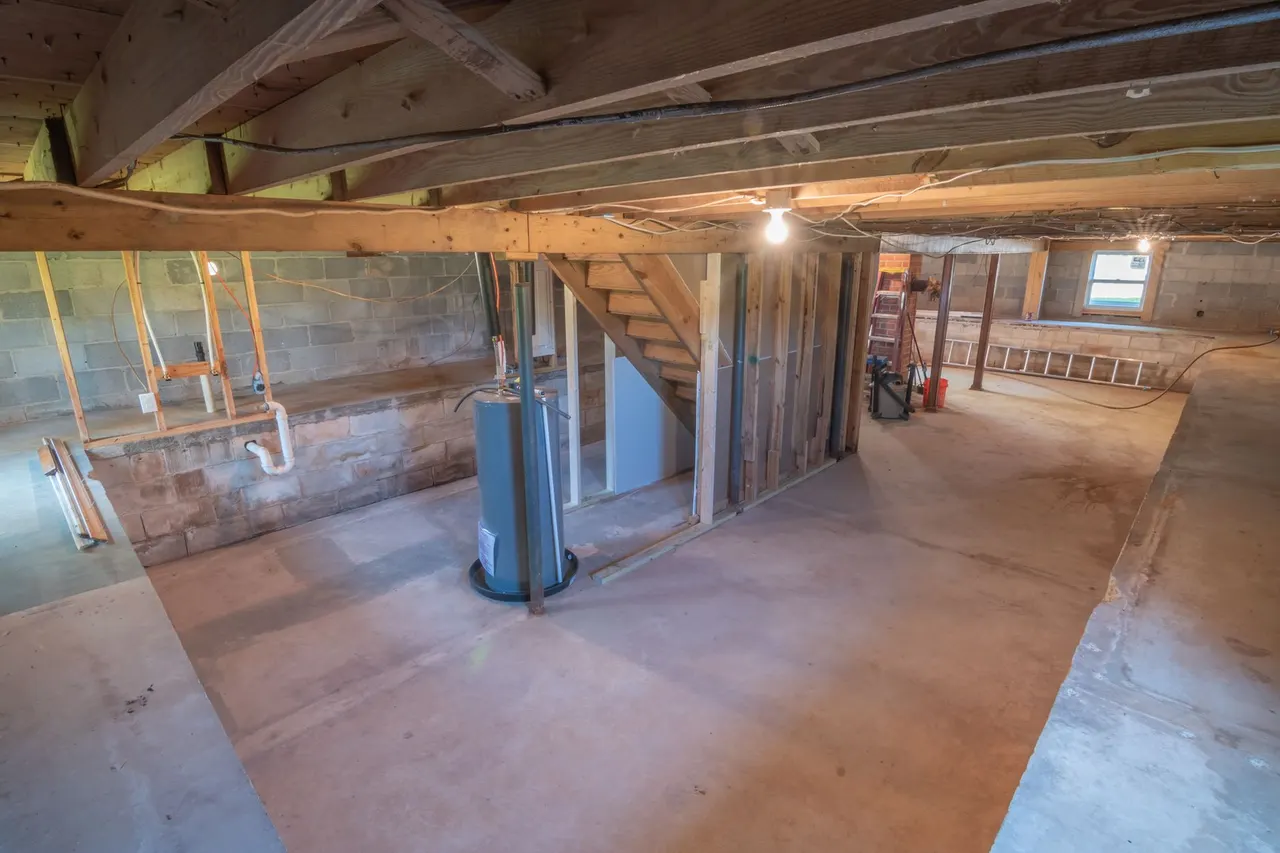
Reads system water pressure at the drain valve and checks the expansion tank charge to diagnose TPR drips and pressure spikes.
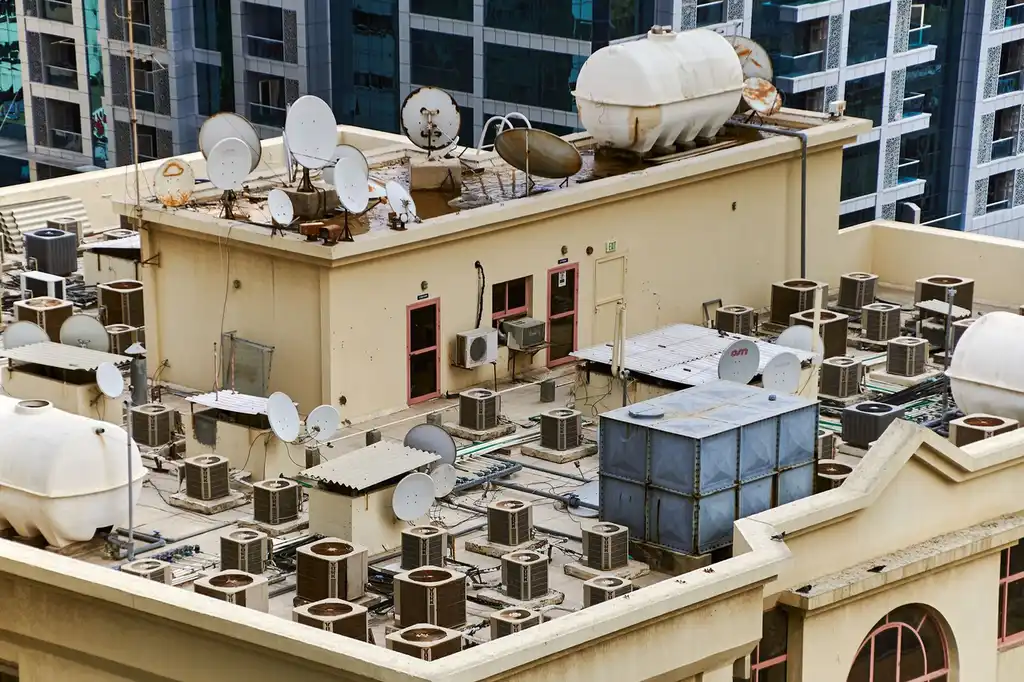
Circulates descaler through tankless heat exchangers to dissolve mineral scale that restricts flow and drives up error codes.
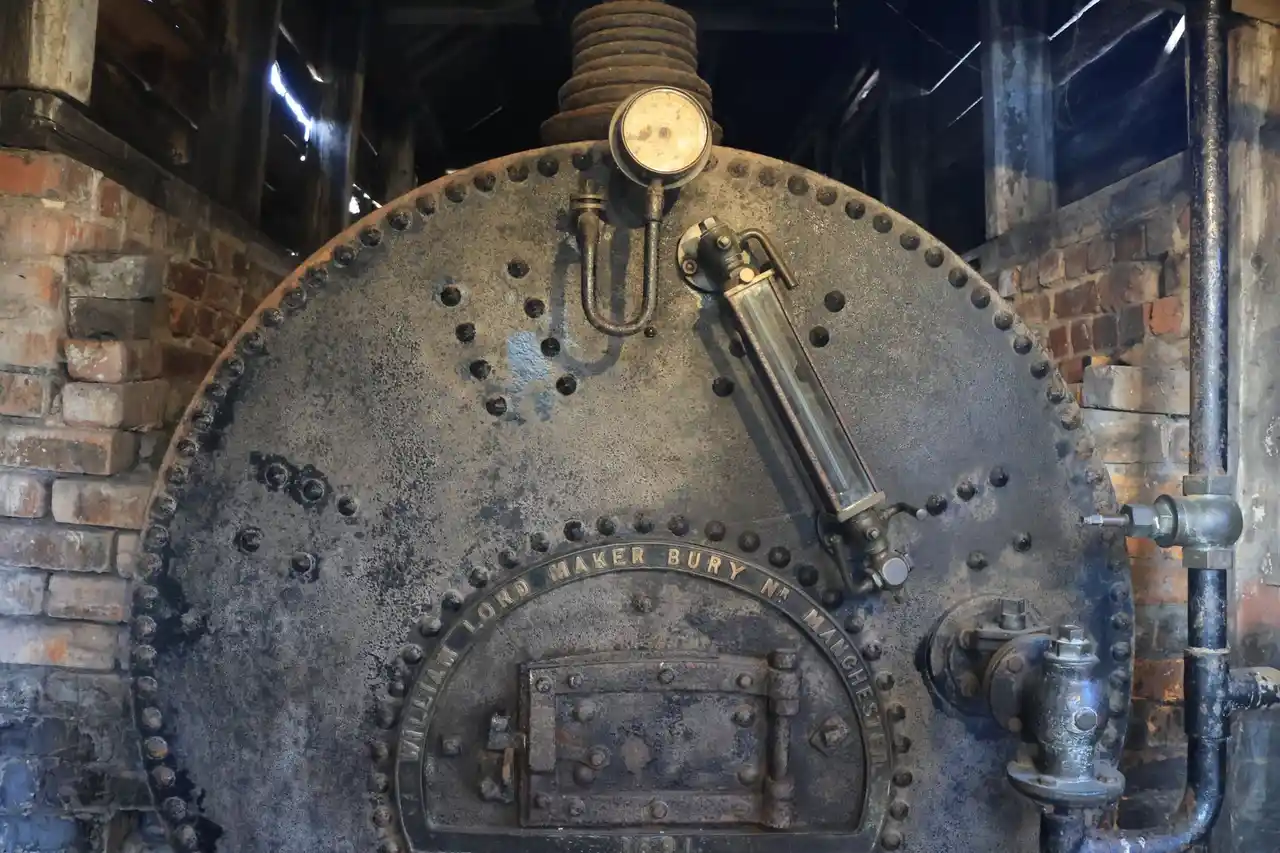
Cleans the vent pipe and flue on gas units to restore proper draft and remove corrosion and debris that block exhaust flow.
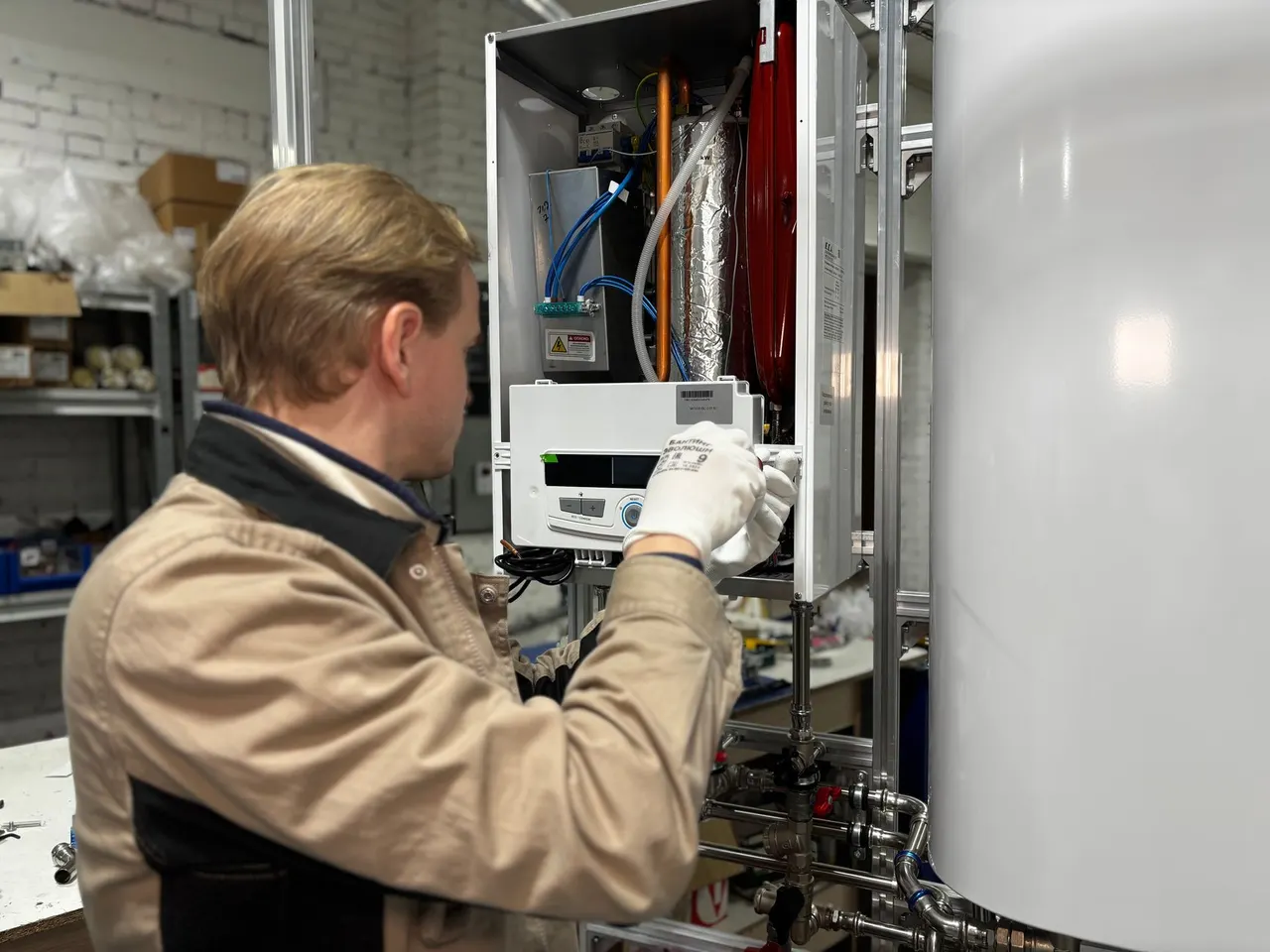
Removes and installs screw-in heating elements without damaging the tank fitting, so element replacement is clean and leak-free.
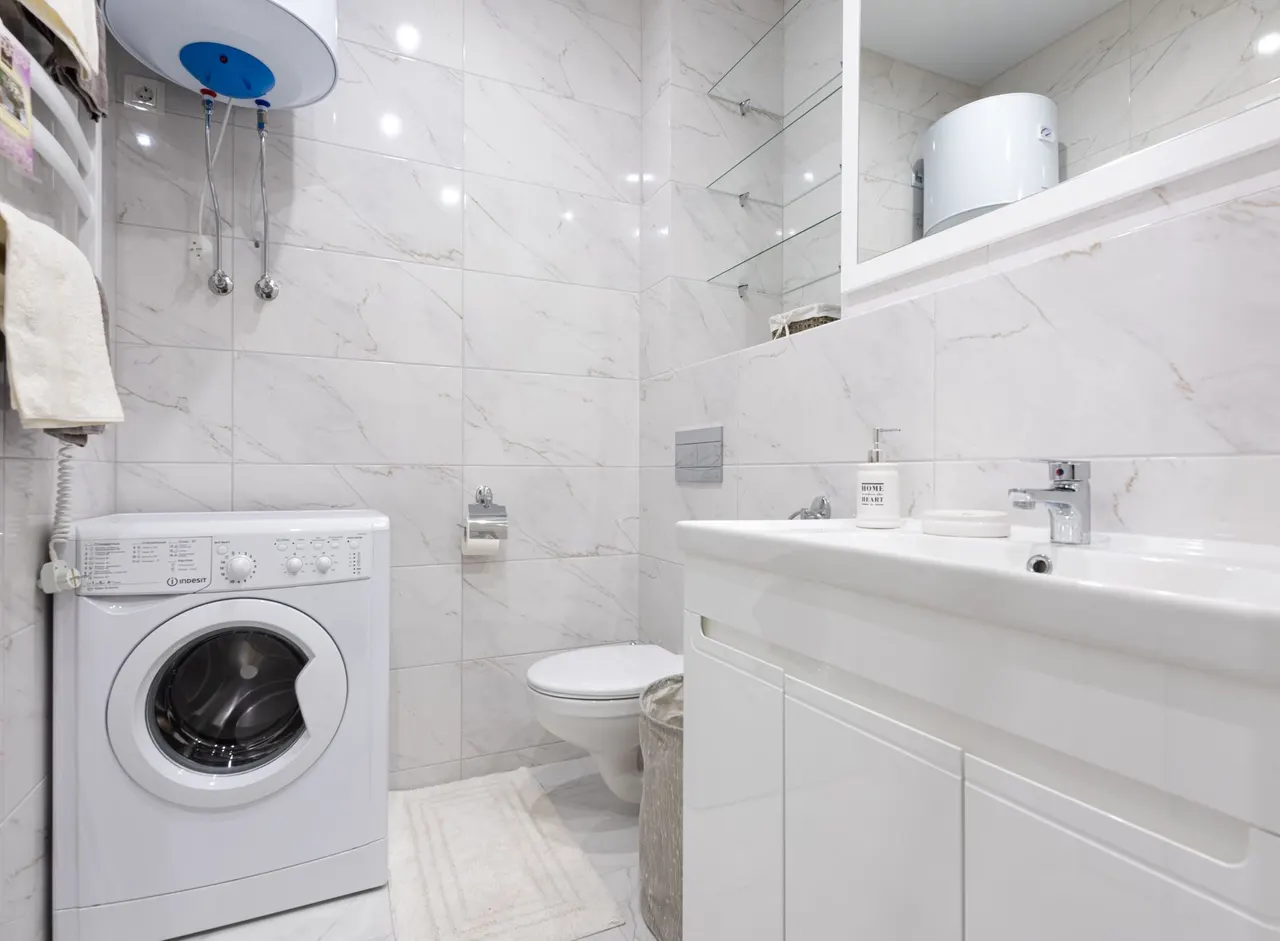
We follow the UPC sequence for water heater safety checks: TPR valve, venting, combustion air, drain pan and discharge, then the tank and connections. It is the same order a code inspector uses, so nothing gets skipped.
We run the full inspection, pull the anode rod, sample the sediment and test every safety device. You get a clear picture of how much life is left and what, if anything, needs attention now. You know whether to budget for a replacement this year or whether the tank has several good years left.
A pre-sale or pre-purchase inspection gives both sides a documented condition report with photos and readings. We note the age, the anode condition, the venting and any code issues. No surprises at closing, and no last-minute price negotiation over a water heater nobody looked at.
We run a draft test, check the thermocouple and pilot assembly, inspect the flue and verify combustion. If we find backdrafting or a gas leak, we shut the unit down immediately. You either get a same-visit repair or a clear explanation of what must change before the unit runs safely again.
We meter both heating elements and thermostats, check the dip tube and sample the sediment. A failed lower element or a heavy scale layer is usually the culprit. A repaired element or a flush restores recovery time and brings the bill back down, often the same day.
Fall is the right time to inspect. We check the anode, the TPR valve, the venting and the tank condition before the cold snaps hit, when tired tanks tend to quit. You go into winter knowing the unit was tested, not hoping it holds.
Meridian water comes out of the ground hard, and that mineral load is the single biggest factor in how long a tank lasts here. We see tanks in Lauderdale County fail earlier than the national average because sediment builds up faster and insulates the burner. That is why we push annual service rather than the every-few-years schedule you see online. The housing stock matters too. A lot of homes in Old Town and Downtown Meridian have original venting that was grandfathered in and no longer meets current code, so we check flue rise and termination on every gas unit. In Northeast Meridian and Meadow Lake, newer construction often has the tank tucked in a closet with minimal combustion air, which is its own problem. If you are searching for a water heater inspection service Meridian Mississippi that actually pulls the anode rod and tests the flue, that is what we do. Fall is our busiest season because that is when tired tanks quit, so book before the first cold snap if you can.
A 9-year-old Rheem tank in Northeast Meridian still produced hot water, but the homeowner noticed popping sounds and a slight metallic taste. The anode rod had never been pulled. When we checked it, only a thin wire core remained and corrosion was starting at the bottom weld.
We replaced the anode rod with a magnesium rod suited to Meridian water, flushed two gallons of sediment out of the bottom and reset the thermostat to 120 degrees. The popping stopped immediately. The tank is still running today, well past the age where most units in this area fail.
Pull and check the anode rod every 12 months, and flush the tank bottom annually. A $30 rod is what stands between you and a $1,800 replacement.
A gas water heater in Old Town Meridian had a flue that ran nearly flat into a shared chimney. The homeowner mentioned headaches in the utility room but had no idea why. Our draft test showed exhaust spilling back into the room instead of rising. The unit was venting carbon monoxide indoors.
We shut the unit down, rebuilt the vent run with proper rise and a correct termination, and verified draft with a smoke pencil. The flue now pulls hard and the combustion test passed. The homeowner had a CO monitor installed the same week and has had no readings since.
Test the flue draft every fall before the heating season and keep a CO monitor within 10 feet of any gas appliance.
A Navien tankless unit in Meadow Lake was throwing an error code and delivering lukewarm water. The inlet filter was clogged and the heat exchanger had heavy scale from two years without service. Flow rate had dropped to under 2 gallons per minute at the tap.
We cleaned the inlet filter, ran a descaling pump with food-grade descaler through the heat exchanger for 45 minutes and verified flow. Output came back to 4.2 gallons per minute and the error code cleared. The homeowner now books an annual descale.
Descale tankless heat exchangers every 12 months in Meridian, and clean the inlet filter every six months if you have hard water.
Most water heater failures give warning signs weeks before they quit. The trick is knowing where to look. These are the five we find most often in Meridian homes.
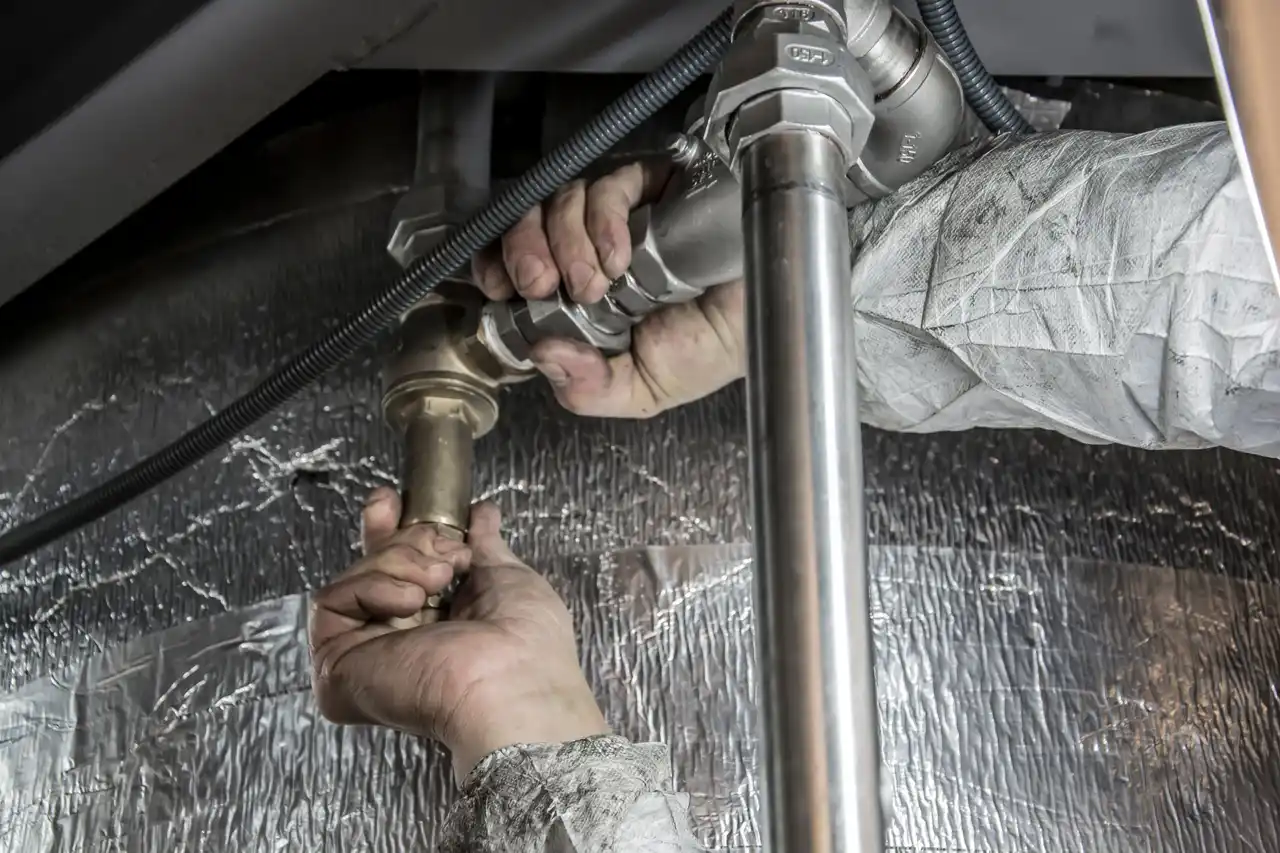
We drain a sample, flush the tank bottom until it runs clear and descale if needed. On tankless units we run a descaling pump through the heat exchanger. Most customers notice quieter operation and lower bills within one cycle. The burner runs longer to heat the same water, gas and electric bills climb, and the tank bottom overheats until the steel cracks. By the time you hear popping, the damage is already underway.

We pull the rod during every inspection and measure the remaining core. If it is under half, we replace it with the correct aluminum or magnesium rod for Meridian water chemistry. It is a fraction of the cost of a new tank. Once the anode rod is gone, the tank steel becomes the sacrificial metal. Corrosion starts at the weld seams and the tank fails from the inside, usually within a year or two of the rod giving out.
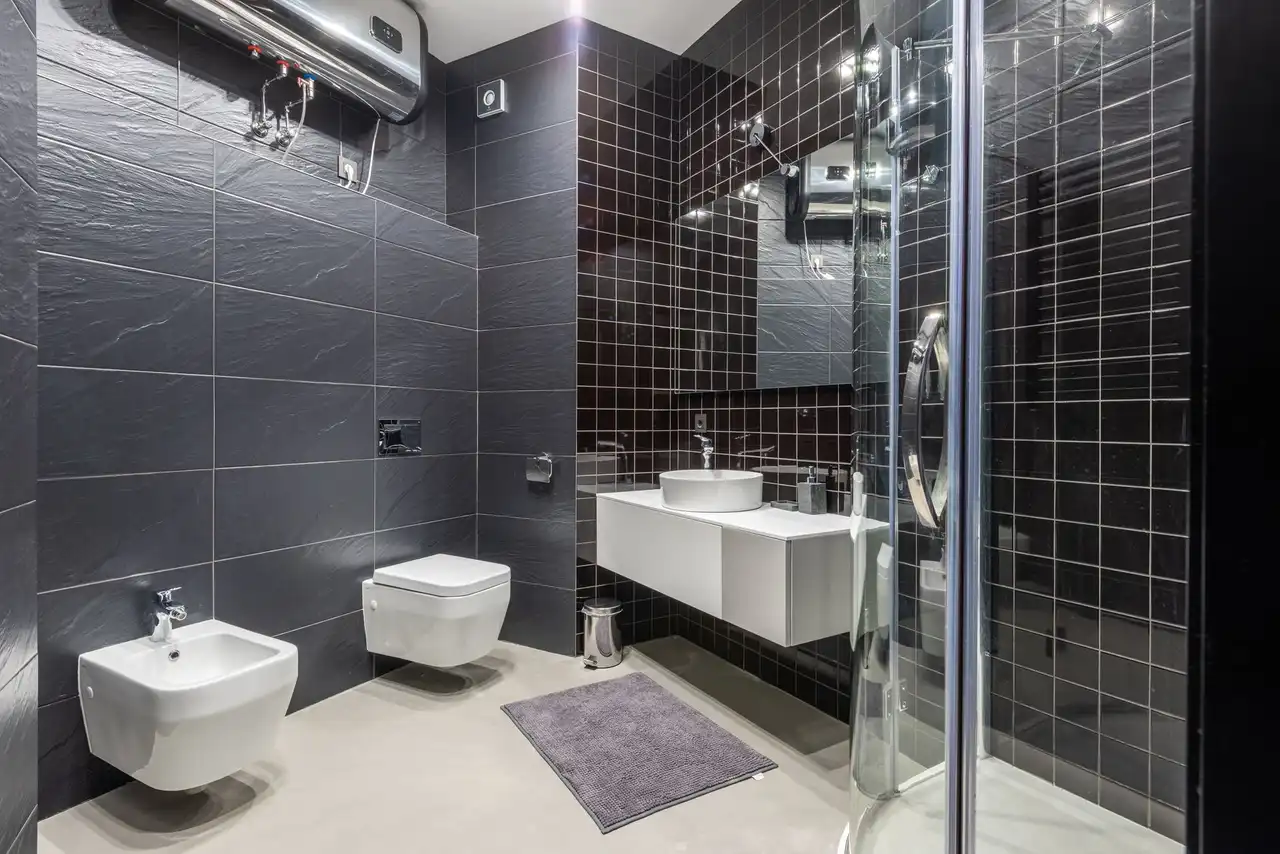
We test the valve with a proper tester, replace it if it fails to reseat, and check the expansion tank charge and system pressure. If the drip is caused by thermal expansion, we fix the root cause, not just the symptom. A TPR valve that will not open lets pressure build until the tank ruptures. One that drips constantly wastes water and signals a pressure or expansion tank problem that will get worse.
We run a draft test with a smoke pencil or draft gauge, inspect the vent pipe for correct rise and termination, and shut the unit down if it fails. Then we correct the venting to code before the unit runs again. Exhaust gases that should go up the flue get pulled back into the room. That means carbon monoxide in the air your family breathes. It is invisible and odorless, and it is the most serious thing we check.
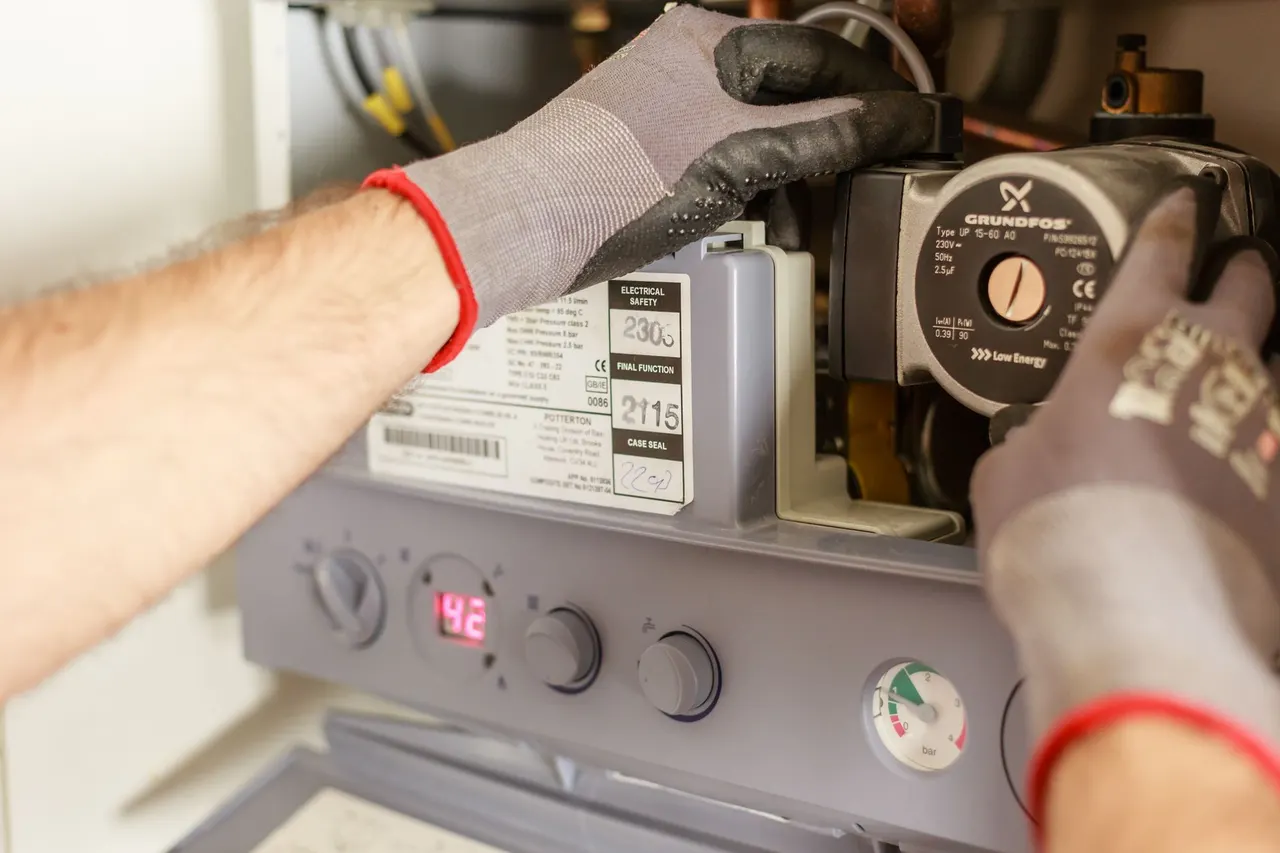
We inspect the drain pan, the flex connectors, the dielectric unions and the tank seams with an inspection camera. Minor leaks get repaired on the spot. If the tank itself is compromised, we tell you straight and quote a replacement. A slow weep at the drain valve or a hairline crack at a fitting turns into a puddle, then a flooded floor, then a ruined ceiling below. Water damage usually costs more than the water heater itself.
A leaking tank rarely starts as a puddle. It starts as a weep at the drain valve or a hairline crack at the fitting. We pressure-test the T&P valve, check the drain pan and look under the tank with an inspection camera. Finding a $15 drain valve issue now beats a $1,800 tank replacement and a wet floor later.
Sediment insulates the burner from the water, so the unit fires longer to hit the same temperature. A flush and descale during the inspection restores heat transfer. Most customers see the burner run 10 to 15 percent less after a clean-out, which shows up on the next gas or electric bill.
The anode rod is a sacrificial part. Once it is consumed, the tank steel becomes the anode and starts corroding from the inside. We pull the rod, measure what is left and replace it for a fraction of a new heater. That single part is often the difference between 8 years and local experience.
Gas water heaters produce carbon monoxide. A blocked flue or a cracked heat exchanger can push exhaust back into the room. We test draft with a smoke pencil, inspect the vent pipe and check the thermocouple. If the unit fails, we tag it and tell you exactly what has to change before it runs again.
Typical 2026 pricing in this area runs $99 to $189 for a standard residential inspection, depending on whether it is a tank or tankless unit and whether we pull the anode rod. Tankless inspections run higher because of the descaling step. The inspection fee covers the full safety check, the sediment sample and the written report. If we find a repair, we quote it before we start, and you approve it first. No diagnostic fee stacked on top, no hourly meter running while we talk.
What your estimate is based on
$99 - $189 for standard residential inspections; tankless descale service adds $75 - $150 One inspection costs less than a single emergency call-out. Catching a failing anode rod or a backdrafting flue early is the difference between a small repair and a flooded floor plus a new tank.
Clear records you can keep and share.
One page with readings and photos.
A clear jar so you see the mineral load.
Priced on the spot before any work starts.
An inspection is not the same as a repair, and it is not a sales visit. It is a condition report on a part of your home you cannot see inside.
A tank can deliver hot water right up until the day it fails. The anode rod and tank bottom tell the real story, and neither is visible without pulling parts.
A 6-year-old tank on hard Meridian water can be in worse shape than a 12-year-old tank that was flushed every year. Water chemistry and service history matter more than the sticker date.
The TPR valve and the flue are safety parts, and they fail quietly. Testing them is the whole point of an inspection, and it is the step most quick look-overs skip.
Not listed? Call and we will tell you straight away. +16015310808
Most residential inspections run $99 to $189 in 2026, depending on whether it is a tank or tankless unit and whether we pull the anode rod. That price includes the sediment sample, TPR valve test, venting check and written report. If we find a repair, we quote it before starting. There is no separate diagnostic fee stacked on top.
It covers the TPR valve, anode rod, heating element or burner, thermostat, thermocouple, venting and flue draft, drain pan, expansion tank and all connections. We drain a sediment sample, meter the electrical components and run a draft test on gas units. You get photos and a written report. It takes 60 to 90 minutes for a standard tank.
Once a year is the right interval for most Meridian homes because of the mineral content in the water. If your tank is over 10 years old, or you have a gas unit, every 12 months is the minimum. Tankless units with a descaling pump service can stretch to 18 months, but annual is still what we recommend.
Yes. Every gas and propane inspection includes a flue draft test with a smoke pencil or draft gauge, a vent pipe inspection and a thermocouple check. If we find backdrafting or a blocked flue, we shut the unit down and explain the fix. Carbon monoxide safety is the first thing we verify on any gas-fired tank.
One hour now can save you a flooded floor and a $1,800 tank replacement later. We inspect, test and document everything, then tell you plainly what needs fixing. Call Meridian Water Heater Pros and get on the schedule.
Reach us at +16015310808 and you will talk to someone who knows water heaters, not a script. We book same-day windows for most of Meridian and keep the line open for emergency leaks. If you are outside the usual ZIP codes, call anyway and we will tell you straight whether we can get to you.